

The Best Sunglasses for Sensitive Eyes: What to Buy and Why
If your eyes flinch at bright light, the fix isn’t just “get darker sunglasses.” Demand UV400 protection, real polarization, and a tint matched to your actual trigger, whether that’s driving glare or office fluorescents. For outdoor glare, go with polarized, wraparound-style dark lenses. For indoor lighting or migraine-linked photophobia, a lighter precision tint, sometimes called FL-41, usually works better than anything labeled “extra dark.”
Two starting points cover most people:
- Outdoor first: polarized, UV400 lenses in a wraparound or close-fit frame that blocks glare off water, pavement, and snow.
- Indoor or variable: a precision-filtering or photochromic tint that dims fluorescent and LED flicker without blacking out a whole room.
Chap’el Eyewear builds both categories, from sport-polarized wraps to lighter designer tints, so you’re not choosing between protection and something you’ll actually want to wear.
Key Takeaways
The right sunglasses for sensitive eyes match tint and coverage to a specific trigger environment rather than relying on maximum darkness.
| Point | Details |
|---|---|
| Demand UV400 and polarization | Both should be stated explicitly on the product page, never assumed from lens color. |
| Match tint to trigger | Use precision filters like FL-41 indoors and polarized dark lenses outdoors, not one pair for everything. |
| Watch VLT range | Aim for 15% to 25% visible light transmission for most outdoor situations with sensitive eyes. |
| Avoid ultra-dark lenses daily | Overuse can worsen sensitivity through dark adaptation; reserve them for extreme glare only. |
| Chap’el Eyewear covers both needs | Its Sport Polarized and Designer Polarized collections pair UV400 protection with wraparound coverage and lighter everyday styles. |
Author note: testing and product design perspective
Fit ruins more sunglasses than bad tint ever does. I’ve watched people abandon a technically correct lens because the frame pinched or slid, and comfort determines whether protective eyewear gets worn or left in a drawer. Chap’el designs around that reality first.
— Brian
Table of Contents
- Sunglasses for sensitive eyes: reading the spec sheet correctly
- Which tint color actually helps your light sensitivity?
- Why frame shape matters as much as the lens itself
- What the research says about photophobia and wavelength filtering
- Why ultra-dark sunglasses can backfire
- Your sunglasses buying checklist and quick picks by scenario
- How Chap’el Eyewear covers this checklist
- Sources
Sunglasses for sensitive eyes: reading the spec sheet correctly
UV400 is the floor, not a bonus feature. It means the lens blocks essentially all UVA and UVB radiation up to the 400 nanometer mark, and any pair without it is cosmetic, not protective. Skip anything that doesn’t list it explicitly.
Polarization solves a different problem: horizontal glare bouncing off flat surfaces like roads, water, and snow. A polarized lens filters that specific light pattern, which is why driving and boating feel noticeably calmer through them. If your eyes react badly to sun bouncing off a windshield or a lake, polarization matters more than tint depth.
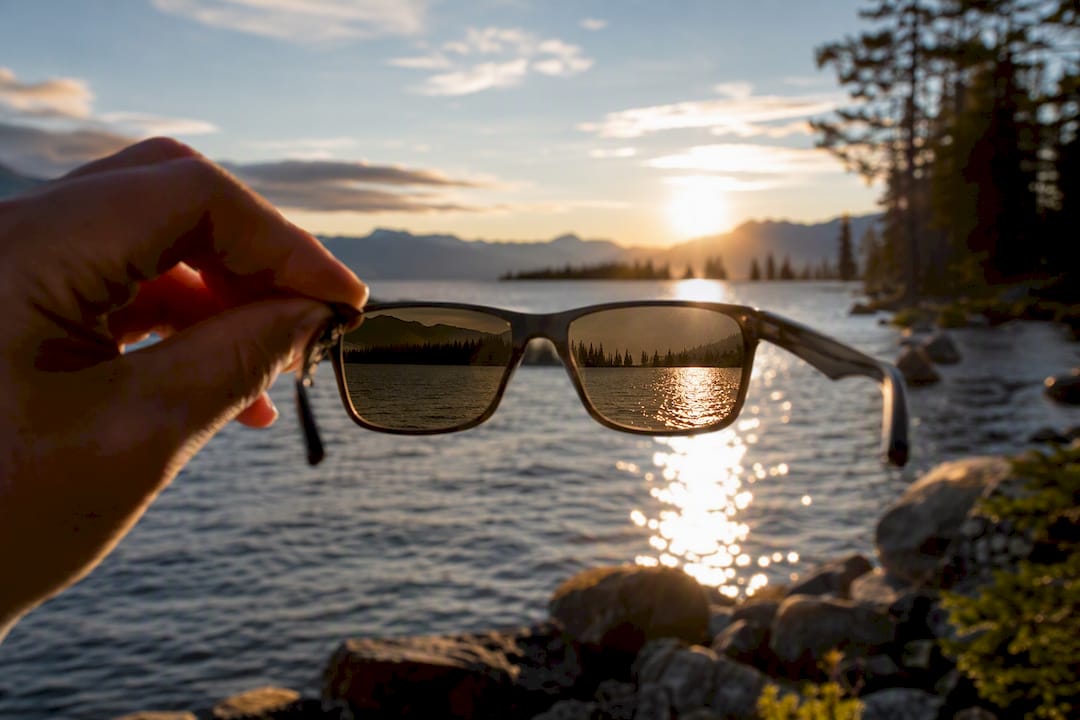
Visible light transmission, or VLT, tells you how much light actually reaches your eye. Lenses that transmit a moderate amount of visible light work for most sensitive-eye cases in bright outdoor conditions; lenses that transmit very little light are better reserved for extreme glare, not daily wear. Consumer guidance on light-sensitive eyewear consistently points to this middle range as the practical sweet spot.
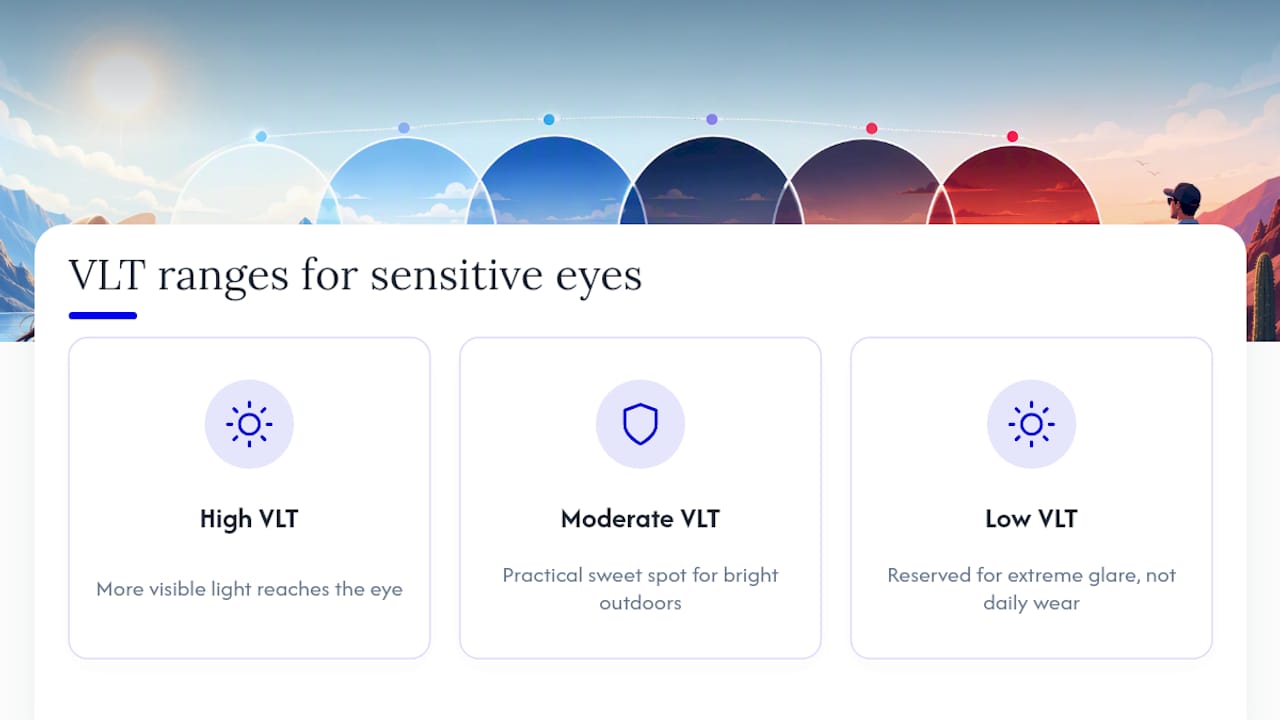
Anti-reflective coatings on the back surface of a lens cut down glare bouncing off the inside toward your eye, which matters if fluorescent lights or car headlights at night bother you specifically. Cheap aftermarket tints slapped onto uncoated plastic rarely deliver this. If a lens costs less than a sandwich, assume it’s optical-grade in name only.
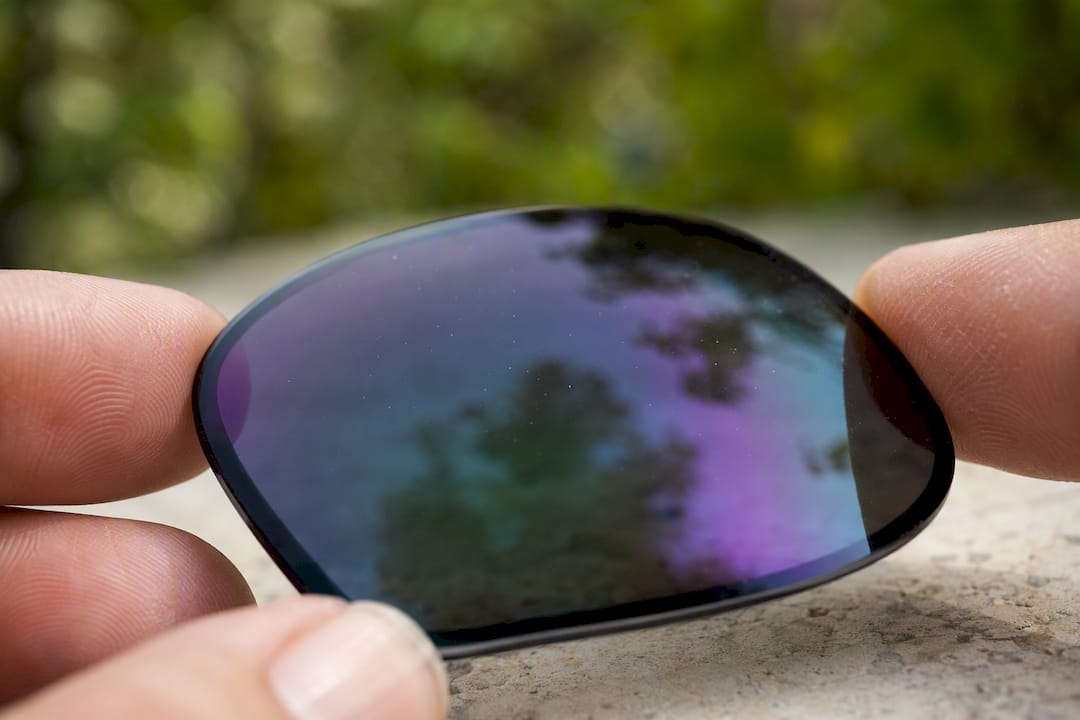
Pro Tip: Hold a pair of sunglasses up to a computer screen and rotate them 90 degrees. If the screen goes dark, they’re genuinely polarized, not just tinted to look the part.
Learn more about what UV400 actually means for your eyes and how polarized lenses reduce glare in real conditions before you buy.
Which tint color actually helps your light sensitivity?
Not every tint does the same job, and picking the wrong one can leave you squinting even in expensive sunglasses.
- Gray dims everything evenly without shifting colors, making it the safest default for everyday outdoor wear and driving in mixed light.
- Brown or amber boosts contrast against green and blue backgrounds, so it tends to work better on trail runs, fishing trips, or overcast days when definition matters more than pure dimming.
- Green preserves color balance close to natural daylight and some people find it visually calming over long wear.
- FL-41 and other precision filters target the blue-green band around 480 to 520 nanometers, a range that peer-reviewed research links to photophobia and migraine triggers. These lighter, often rose or amber-tinted lenses are built for indoor and artificial-light exposure, not beach days.
- Photochromic lenses darken automatically as UV exposure increases, which is convenient for people moving between indoor and outdoor spaces all day. The catch: most windshields block enough UV that photochromic lenses barely darken in a car, and the transition itself lags a few seconds behind the actual light change.
If migraines or fluorescent lighting are your main trigger, a precision tint matters more than a dark outdoor lens ever will. Compare the practical differences between green and brown lens options or review a broader breakdown of polarized versus simply tinted lenses before settling on one pair for every situation.
Why frame shape matters as much as the lens itself
A perfect lens tint does nothing if light sneaks in around the edges. Gaps above the brow line or beside the temples let sun and glare hit your eyes from angles the tint never touches, which is why some people buy expensive polarized sunglasses and still squint.
Wraparound frames and models with side shields close that gap by curving around the temple, blocking peripheral light that flat, fashion-first frames let straight through. The trade-off is airflow. A tightly wrapped frame can feel warmer on long outdoor days, so some wearers choose slightly looser wraps that still cover the sides without sealing in heat.
- Adjustable nose pads prevent pressure points during hours-long wear, especially for smaller or larger noses that standard molds don’t fit.
- Lightweight frame materials matter more than they sound. A heavy frame that slides down your nose invites constant readjusting, which reintroduces the light leaks you were trying to avoid.
- Test frames in motion, outdoors in direct sun, and in whatever specific indoor space triggers you, whether that’s a grocery store’s fluorescent aisle or an office under LED panels. A pair that feels fine in a dim fitting room can fail immediately under real light.
What the research says about photophobia and wavelength filtering
The blue-green range near 480 to 520 nanometers shows up repeatedly in clinical and basic science literature on photophobia as a wavelength band that provokes discomfort in many light-sensitive people. That’s the scientific reasoning behind precision filters like FL-41: they don’t just dim everything, they target the specific light your eyes react to.
Neuro-ophthalmology research increasingly treats photophobia as a neurological sensitivity involving the trigeminal nerve pathway, not simply irritation on the surface of the eye. That distinction explains why some people get real relief from targeted filtering rather than from darker lenses alone.
Interestingly, the same research notes that green light exposure has shown some therapeutic effect for migraine-related headaches in clinical settings, which is part of why certain precision tints are engineered to let green wavelengths through rather than block them outright.
RNIB’s practical guidance reinforces a simple rule: test lenses in the actual environment that triggers your symptoms, not just in a store. A supermarket’s overhead lighting behaves nothing like midday sun on a highway, and a lens tuned for one won’t necessarily help with the other.
None of this makes precision tints a universal fix. They help a meaningful share of people with light sensitivity, but if your symptoms are new, sudden, or severe, that’s a signal to get evaluated by an eye care professional rather than solving it entirely through eyewear.
Why ultra-dark sunglasses can backfire
Dark adaptation is your eye’s process of adjusting sensitivity based on how much light it’s been exposed to. Wear extremely dark lenses indoors or for long stretches in dim conditions, and your eyes adapt to that lower baseline. Step back into normal light afterward, and it feels harsher than it should. Vision science resources on light and dark adaptation describe this mechanism clearly: the darker your daily baseline, the more painful ordinary brightness becomes.
That’s the paradox behind sunglasses for sensitive eyes done wrong. People reach for the darkest lens available, assuming more protection is always better, and end up more light-reactive over time.
- Category 4 or ultra-dark lenses belong in genuinely extreme conditions: alpine glare, desert sun, glacier travel. They’re not built for daily wear.
- Never wear ultra-dark lenses while driving. They cut visibility in shadows and tunnels dangerously low.
- Keep a lighter precision tint on hand for indoor spaces so you’re not training your eyes toward permanent oversensitivity.
Your sunglasses buying checklist and quick picks by scenario
Before buying, check the product page for these seven details:
- UV400 rating, stated explicitly, not implied.
- Polarization, confirmed rather than assumed from a dark tint.
- VLT percentage or category, aiming for 15% to 25% for most outdoor use.
- Tint color matched to your main trigger environment.
- Anti-reflective coating if indoor lighting or night driving bothers you.
- Frame coverage, wraparound or close-fit if peripheral light leaks affect you.
- Return policy and try-on window, since fit issues only show up after real-world wear.
Scenario quick-picks:
- Driving: polarized, brown or gray tint, wraparound coverage to cut sun through side windows.
- Boating or fishing: polarized, high VLT reduction, brown or amber for water glare.
- Office with fluorescent lighting: a precision tint like FL-41, lightweight frame, no polarization needed.
- Migraine or chronic photophobia: precision filter targeting the blue-green range, tested indoors before committing to daily wear.
Pro Tip: Ask any retailer if you can wear a demo pair under actual office lighting for a few minutes before buying. A five-minute test beats guessing from a store display every time.
How Chap’el Eyewear covers this checklist
Chap’el Eyewear designs directly against that checklist rather than around it. Every pair carries UV400 protection as standard, and the Sport Polarized collection pairs true polarization with wraparound coverage for driving, fishing, and glare-heavy days outdoors. For lighter everyday wear, the Designer Polarized line balances protection with frames that don’t feel like sport gear.
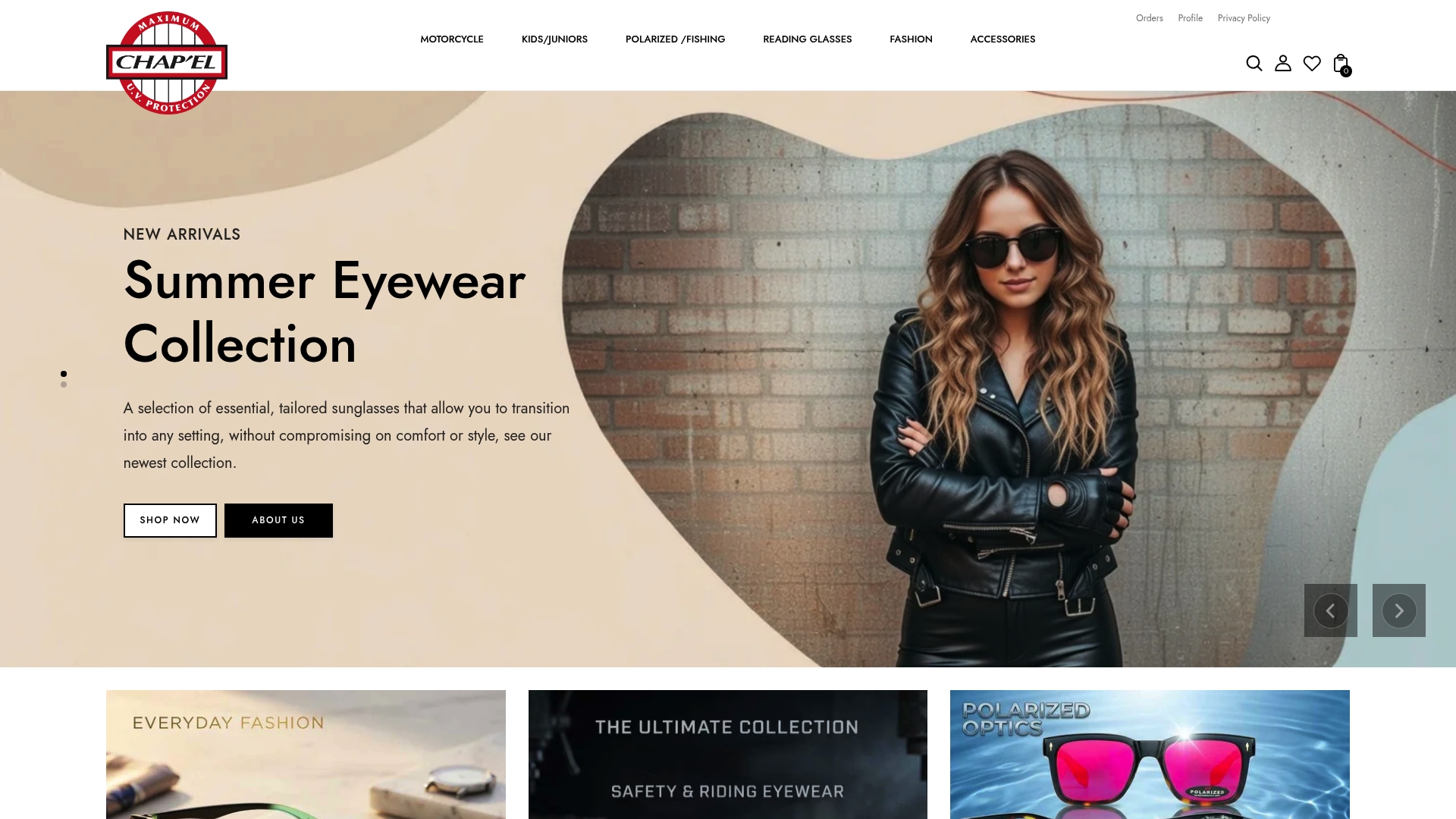
Chap’el also carries adjustable nose pads across most frames and impact-resistant polycarbonate lenses, which matters if you’re testing multiple pairs before finding the tint and fit that actually calms your symptoms. Full details on the storefront’s current collections show which frames run lighter for all-day wear versus which are built for harsher outdoor exposure. If you’re protecting a pair for travel or daily transport, the zippered accessory cases keep lenses scratch-free between uses.
As the publisher of this guide, Chap’el is upfront that it sells the exact category of product this article recommends. That doesn’t change the underlying advice: match your tint to your trigger, check for UV400 and real polarization, and prioritize frame coverage if peripheral light bothers you. Start by browsing the full sunglasses collection and use the checklist above while comparing frames.
Sources
- Photophobia: clinical and basic science perspectives — PMC
- Five steps to getting the right glasses for light sensitivity — RNIB
- Light and dark adaptation — Webvision, University of Utah