

Affordable Sunglasses That Actually Protect Your Eyes
Affordable sunglasses are eyewear that deliver real UV protection and durable style without a high price tag. The industry standard for eye safety is UV400 protection, which blocks 100% of UVA and UVB rays. Budget-friendly options starting at $25 meet this standard, matching luxury brands for UV safety. That means price alone tells you nothing about how well a pair protects your eyes. What matters is the lens certification, the frame material, and the optical quality behind the glass.
1. What makes affordable sunglasses worth buying?
The term “affordable sunglasses” covers a wide range of budget-friendly eyewear, but not all pairs are equal. The best ones share three traits: UV400 certification, durable frame materials, and optically clear lenses. ANSI safety standards are the true benchmark for protective value, not the sticker price. A pair that meets ANSI requirements at $35 protects your eyes just as well as one that costs $200.
Frame materials matter more than most buyers realize. Budget frames made from Grilamid and stainless steel perform on par with higher-end options for everyday durability. Grilamid is a flexible memory plastic that bends under stress without snapping. That makes it a strong choice for active wearers who need frames that survive a drop or a tight fit under a helmet.
2. Top styles available under $50
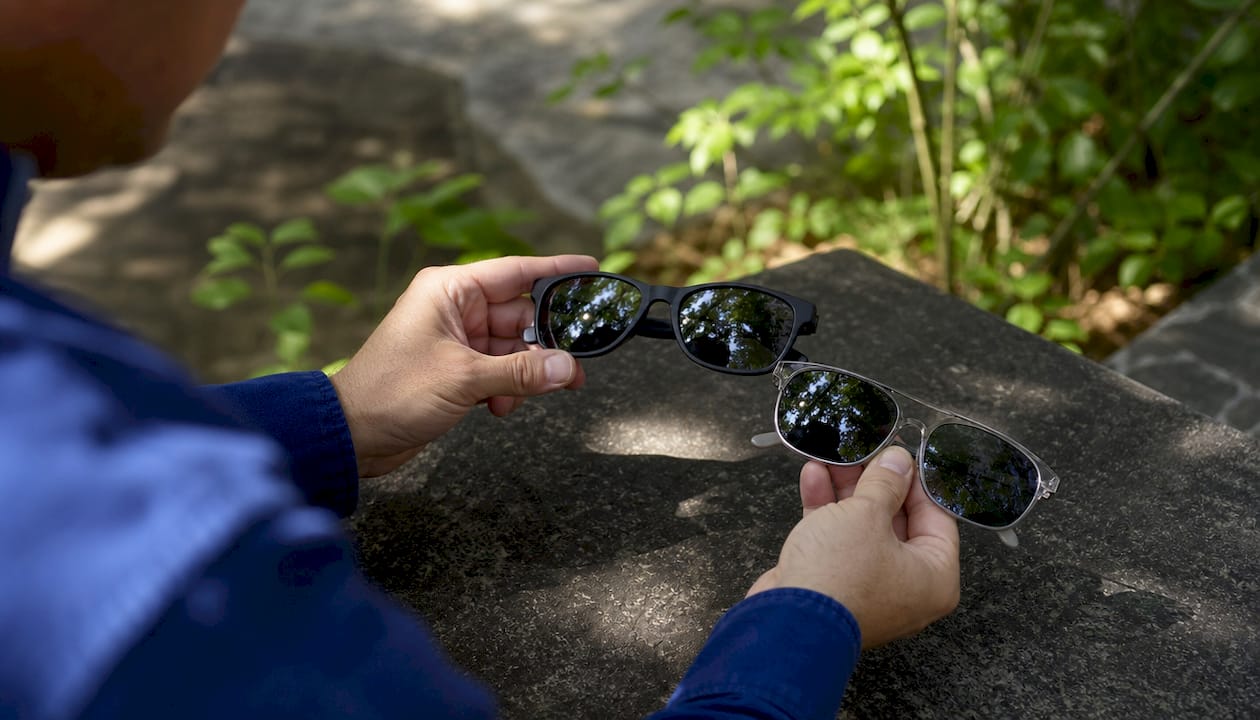
The four most popular frame styles in the budget category are aviators, wayfarers, round frames, and sport wraps. Each suits a different face shape and use case.
- Aviators work well on oval and heart-shaped faces. Look for metal or stainless steel frames with polarized lenses for glare reduction on water or pavement.
- Wayfarers suit square and round faces. Acetate or cellulose frames in this style are common at the $35–$50 price point and offer a classic look with solid durability.
- Round frames complement angular faces. Lightweight plastic or Grilamid versions keep the weight low for all-day wear.
- Sport wraps are built for movement. They typically include rubberized nose pads, anti-scratch coatings, and polarized lenses, all within a $30–$45 range.
Sub-$50 sunglasses with polarized lenses and anti-scratch coatings meet ANSI safety compliance for active lifestyles. That combination of features used to cost significantly more just a few years ago.
Pro Tip: Match your frame shape to your face before buying. Oval faces work with almost any style. Round faces benefit from angular frames like wayfarers or rectangles. Square faces look best with rounder or aviator shapes.
3. How to read quality markers in budget sunglasses
Understanding what separates a good pair from a throwaway one saves you money and protects your vision.
| Feature | What to look for | Why it matters |
|---|---|---|
| Lens type | UV400 or 100% UVA/UVB blocking | Blocks all harmful solar radiation |
| Polarization | Polarized label on lens or tag | Reduces glare from reflective surfaces |
| Frame material | Grilamid, acetate, or stainless steel | Improves durability and fit retention |
| Lens coating | Anti-scratch treatment | Extends optical clarity over time |
| Lens production | Double-decentered manufacturing | Reduces distortion and eye strain |
Double decentering in lens manufacturing reduces distortion and eye strain in affordable polarized sunglasses. This process separates high-value budget shades from disposable ones. Most buyers never check for it, but your eyes will notice the difference after an hour of wear.
Grilamid frames bend significantly without snapping, making them ideal for active use. Traditional brittle plastics crack under the same pressure. If a frame description does not mention the material, that is usually a sign it uses lower-grade plastic.
Pro Tip: Hold the lenses up to a fluorescent light and tilt them slowly. Polarized lenses will show a color shift or darkening at certain angles. Non-polarized lenses stay consistent. This is a quick in-store or unboxing test that takes five seconds.
4. How to care for your sunglasses to keep them performing
Good care extends the life of any pair, especially budget-friendly ones with plastic lenses.
- Clean with a microfiber cloth only. Using rough fabrics or paper towels damages plastic lenses and creates micro-scratches that degrade clarity over time. Keep a microfiber cloth in your case at all times.
- Store in a hard case. Tossing sunglasses loose in a bag is the fastest way to scratch the lenses or bend the frames. A rigid case costs almost nothing and adds months to the life of your pair.
- Avoid high heat. Leaving sunglasses on a car dashboard in summer warps plastic frames and degrades lens coatings. The interior of a parked car can reach temperatures that permanently distort the frame shape.
- Rinse before wiping. If lenses are dusty or sandy, rinse them with water before using a cloth. Wiping dry grit across a lens acts like sandpaper.
- Check for warranty options. Many budget eyewear brands offer replacement programs or satisfaction guarantees. Register your purchase when possible to access those benefits.
Plastic lenses common in inexpensive sunglasses require this kind of consistent care to stay clear. The good news is that none of these habits take more than a few seconds.
5. Best affordable sunglasses by use case
Choosing the right pair depends on what you actually do while wearing them.
For active sports and outdoor use: Look for Grilamid or flexible polymer frames with polarized lenses and ANSI-rated impact resistance. Wrap-around styles keep lenses closer to the face, reducing wind and peripheral glare. Sport-specific pairs in the $30–$45 range often include rubberized temple tips and adjustable nose pads for a secure fit during movement.
For casual everyday wear: Lightweight acetate or cellulose frames with UV400 lenses cover all the basics. Style variety is wide at this price point, so you can match frames to outfits without spending much. Wayfarers and round frames dominate the casual category and work across most face shapes.
For prescription compatibility: Some budget frames accept prescription inserts or are sold in prescription-ready configurations. Check the lens base curve and frame dimensions before ordering. Flat-front frames with a standard base curve are the easiest to adapt.
For outdoor work: Wrap-around and semi-rimless styles with wide lenses offer the most coverage. Polarized lenses reduce glare from pavement, water, and reflective surfaces, which matters when you spend hours outside. Durability and coverage should rank above style in this category.
Affordable yet high-performing sunglasses encourage multiple purchases and versatile use across different environments. Owning two or three pairs at $30–$40 each gives you more flexibility than owning one expensive pair you are afraid to use.
Pro Tip: Buy one pair for active use and one for casual wear. Keep the active pair in your gym bag or car. The low price makes it easy to replace if they get lost or damaged, and you will actually wear them instead of leaving them at home to stay safe.
Key takeaways
The best budget-friendly sunglasses combine UV400 certification, durable frame materials like Grilamid or acetate, and optically clear lenses to deliver real eye protection at prices starting at $25.
| Point | Details |
|---|---|
| UV400 is the minimum standard | Any pair without UV400 or 100% UVA/UVB blocking fails the basic safety test. |
| Material determines durability | Grilamid and acetate frames outlast cheap brittle plastics at similar price points. |
| Polarization reduces eye strain | Polarized lenses cut glare from water, roads, and reflective surfaces during active use. |
| Care extends lens life | Microfiber cloths and hard cases prevent the micro-scratches that ruin clarity. |
| Multiple pairs make sense | Owning two or three budget pairs for different uses beats relying on one expensive pair. |
What I’ve learned from years of buying budget sunglasses
Most buyers focus on style first and protection second. That is the wrong order. I have tested pairs at every price point, and the single biggest predictor of satisfaction is whether the lenses carry a real UV400 rating backed by ANSI certification. Style is easy to find at any price. Certified protection is not automatic.
The other thing most articles skip: loss anxiety is real. When you spend $150 on a pair of sunglasses, you stop wearing them at the beach, at concerts, or anywhere they might get scratched or stolen. A $35 pair with the same UV protection gets worn everywhere. That is actually better for your eye health, not worse.
I have also found that Chapeleyewear sits in a useful middle ground. The frames are designed with enough style to work for fashion-conscious wearers, but the price stays low enough that you do not feel anxious about daily use. That combination is harder to find than it sounds.
My honest advice: verify the certification, check the frame material, and buy two pairs. One for active days, one for everything else. You will spend less than a single designer pair and protect your eyes just as well.
— Brian
Chapeleyewear’s collection of stylish, protective sunglasses
Chapeleyewear builds sunglasses for people who want real UV protection and genuine style without paying designer prices. Every pair in the collection carries UV protection and is designed for daily use across casual and active settings.
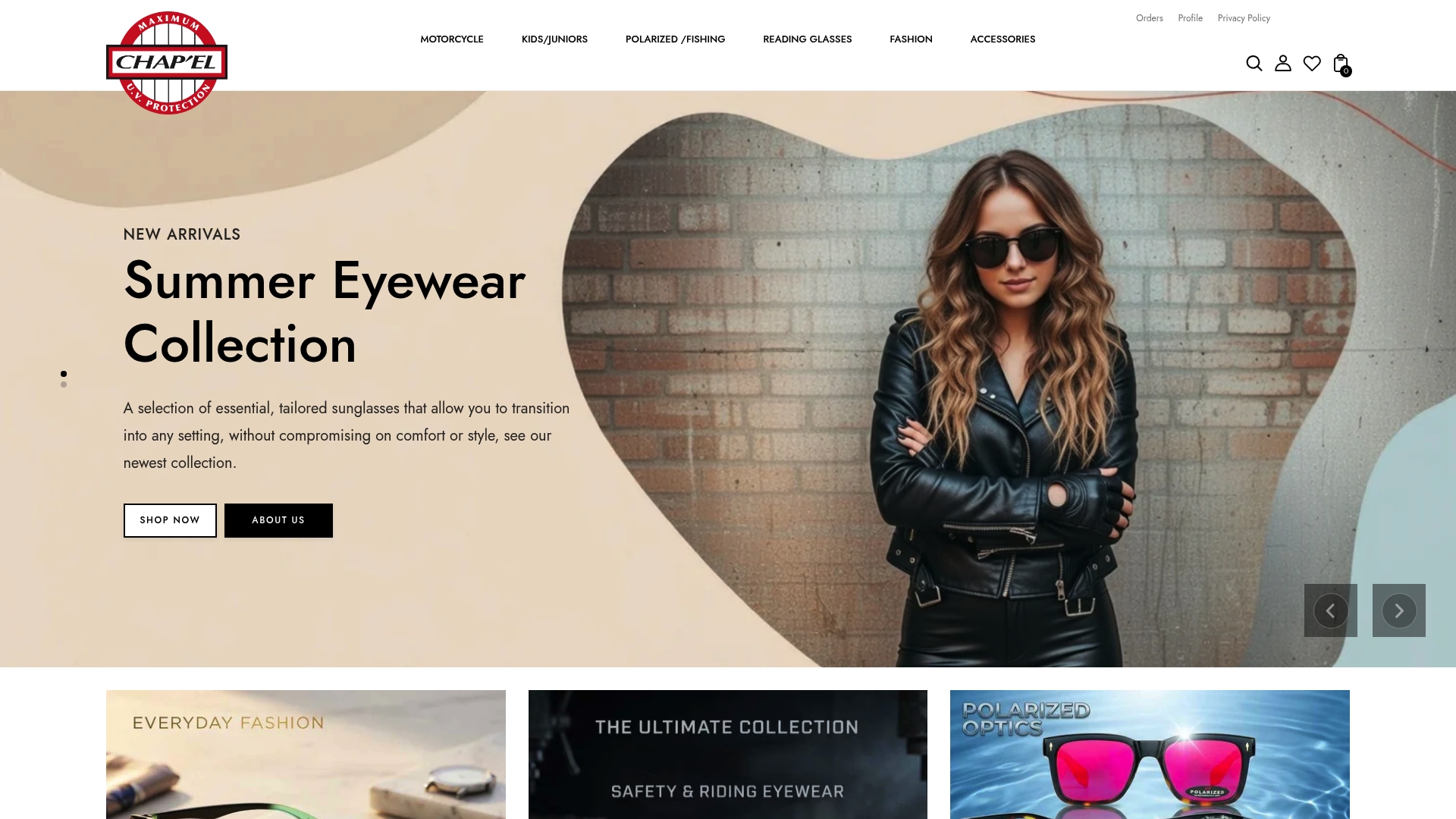
The Chapeleyewear collection includes options for sport, casual wear, and everything in between. Specific styles like the 4428RVS and the C22SS combine modern frame design with protective lenses at prices that make owning multiple pairs practical. If you have been putting off buying a solid pair because of cost, this is a good place to start.
FAQ
What UV protection standard should affordable sunglasses meet?
Affordable sunglasses should meet the UV400 standard, which blocks 100% of UVA and UVB rays. This protection level is available at price points starting at $25 and matches what luxury brands offer.
Are polarized lenses worth it in budget sunglasses?
Polarized lenses reduce glare from reflective surfaces like water, roads, and snow, making them worth the small price difference in budget options. Look for the polarized label on the lens or packaging before buying.
What frame material lasts longest in affordable sunglasses?
Grilamid and cellulose acetate are the most durable frame materials in the budget category. Grilamid bends under stress without snapping, making it the best choice for active or outdoor use.
How do I clean budget sunglasses without scratching the lenses?
Use a microfiber cloth and rinse lenses with water before wiping if they are dusty. Paper towels and rough fabrics create micro-scratches that permanently reduce lens clarity.
Is it better to buy one expensive pair or several affordable ones?
Buying two or three budget-friendly pairs with UV400 certification gives you more flexibility and better daily use than one expensive pair you avoid wearing. The protection level is the same when the certification matches.