

The Best Lens Color for Fishing in Any Water
For most anglers, copper or amber wins as the single best all-around tint, with green mirror as the top alternative for sight fishing on grass flats. If your fishing skews offshore and bright, switch to blue mirror or gray. Low light, dawn, dusk, or heavy overcast calls for yellow or rose. The rule of thumb: darker, lower-VLT lenses for bright open water, lighter, higher-VLT lenses for dim or stained conditions, and match the tint to whatever color dominates your water.
- Bright offshore or open water: blue mirror or gray
- Freshwater, flats, and most inshore trips: copper, amber, or green mirror
- Dawn, dusk, or heavy cloud cover: yellow or rose
- Stained or tannin-colored water: copper or amber
- Best overall strategy: carry two pairs instead of hunting for one perfect lens
Key Takeaways
The best lens color for fishing depends on matching tint and VLT to your dominant water color and light level, and a two-lens kit covers what one pair never can.
| Point | Details |
|---|---|
| Best all-purpose tint | Copper or amber suits the widest range of freshwater and inshore conditions and stained water. |
| Best for sight fishing | Green mirror gives the clearest contrast over grass flats without distorting natural colors. |
| Best for bright offshore | Blue mirror or gray cuts intense open-water glare with lower visible light transmission suited for bright conditions. |
| Match VLT to light | Lower VLT for bright sun, higher VLT for dawn, dusk, or overcast conditions. |
| Build a two-lens kit | Pair a dark offshore lens with a contrast lens rather than searching for one perfect tint, using options like Chap’el Eyewear’s polarized and sport collections. |
Table of Contents
- Choosing a Fishing Sunglasses Lens Tint by Water and Light
- How Do You Pick the Right Lens Tint for Your Fishing Trip?
- What Makes Polarized Lenses Different From Regular Tinted Glasses?
- Building a Two-Lens Kit That Covers Every Trip
- Why Trust This Lens Color Advice?
- How Fish See Lens Colors Differently Than You Do
- Cutting Glare: How Tint and Mirror Coatings Manage Surface Reflection
- Caring for Coated and Polarized Lenses So They Last
- Depth Perception and Underwater Clarity by Tint
- What Anglers Get Wrong About Lens Color
- Get the Right Tint With Chap’el Eyewear’s Polarized Lineup
- Frequently Asked Questions
- Sources
Choosing a Fishing Sunglasses Lens Tint by Water and Light
The right fishing sunglasses lens tint depends less on brand marketing and more on two variables: how much light you’re dealing with and what color the water is. Every tint filters a different slice of the light spectrum, and that filtering changes what you see below the surface. Get the match wrong and you’re squinting through glare or missing the shadow of a redfish tailing six feet off the bow.
Green mirror earns its reputation on grass flats and shallow inshore water. It delivers strong contrast without distorting natural colors much, which matters when you’re trying to spot a fish’s silhouette against turtle grass rather than a weird color-shifted blob. Guides who sight-fish daily tend to keep a pair of green mirrors in the boat for exactly this reason.
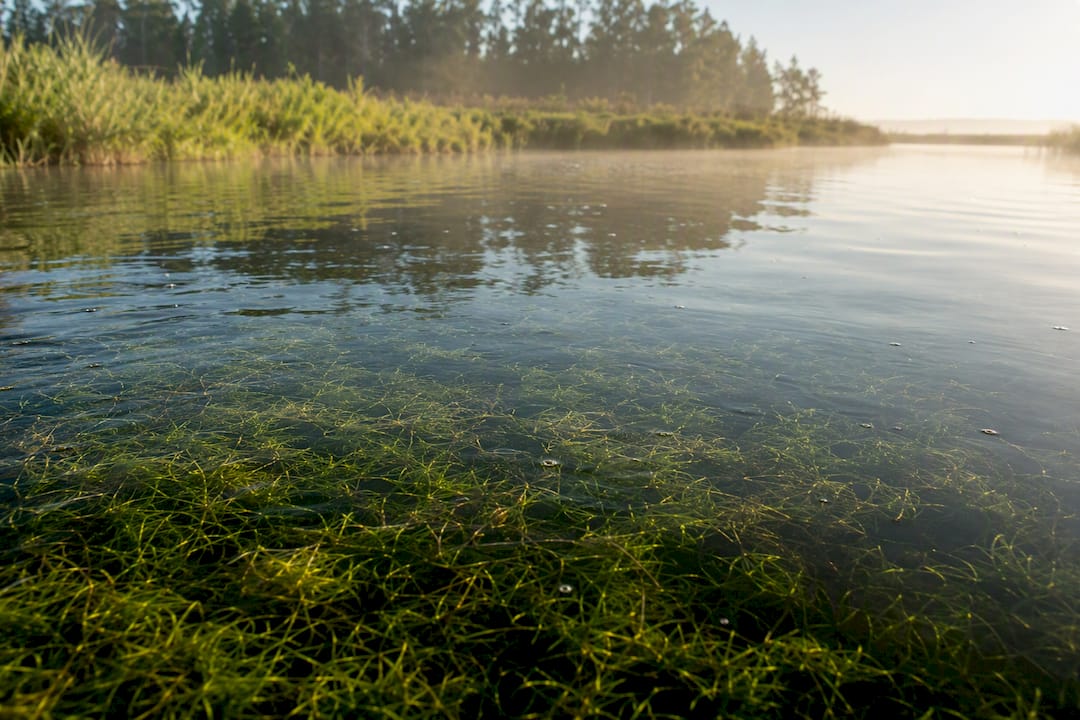
Copper, amber, and brown are the tints most anglers should own if they only own one pair. They boost contrast and depth perception across a wide range of bottom types, and they’re particularly good in stained or tannin-rich water, where the brownish tint cuts blue scatter and pulls warm tones forward so structure and fish show up instead of disappearing into murk. This is the tint most guides and gear reviews point to as the most versatile single choice for freshwater and inshore work.
Blue mirror exists for one job: knocking down the intense, wide-spectrum glare you get offshore in deep blue water. It’s darker than the others, and that darkness is the point when you’re staring at open ocean for eight hours straight.
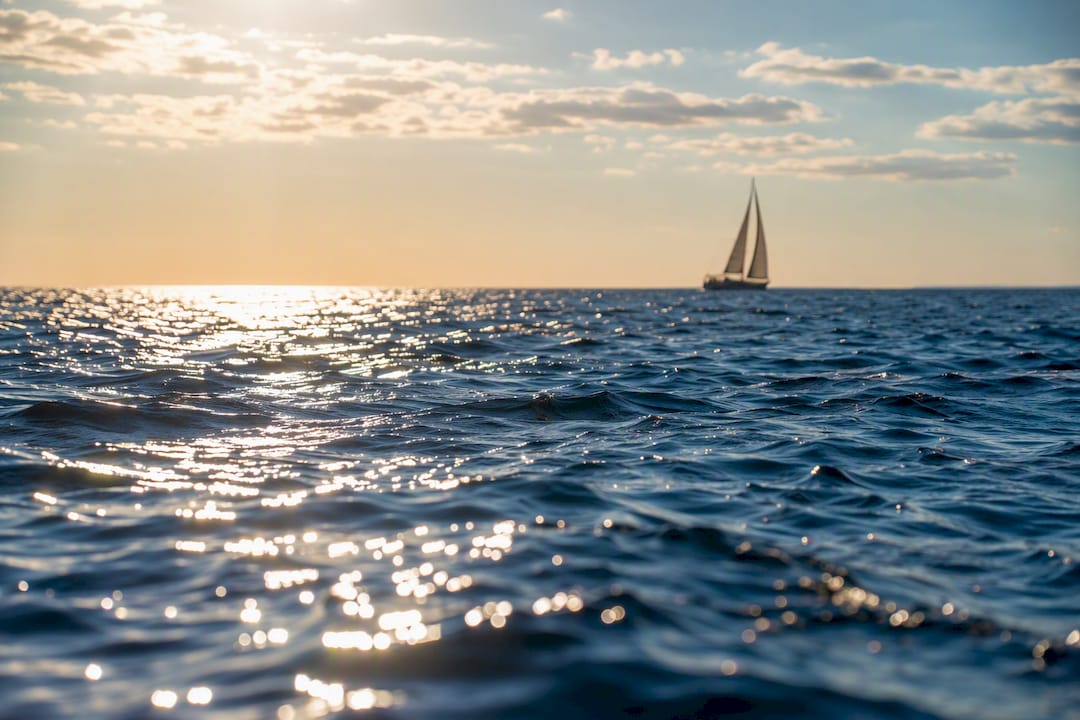
Gray is the honest broker of the tint world. It doesn’t boost contrast or warm anything up, it just cuts brightness while keeping colors true, which makes it a solid pick for long days of navigation and open water where you don’t need any particular color to pop.
Yellow, rose, and “sunrise” lenses are specialists built for low light. They brighten a dim scene and can genuinely help you read water at dawn or under heavy cloud, but they’re nearly useless once the sun climbs, since anything that boosts light in the shade will overwhelm your eyes in full brightness.
Pro Tip: If you’re only going to own one pair and you fish mostly freshwater or backcountry inshore, buy copper or amber before anything else. It’s the tint least likely to leave you disappointed.
Visible light transmission, or VLT, tells you how much light actually passes through a lens, and it’s a better predictor of comfort than the color name alone. Typical bands run blue mirror around 8 to 12 percent, gray around 10 to 15 percent, green mirror around 10 to 15 percent, copper or brown around 12 to 18 percent, amber around 18 to 28 percent, and yellow or sunrise tints around 25 to 40 percent. Lower VLT means darker and better for bright sun; higher VLT means lighter and better for low light. A lens at 10% VLT on an overcast morning will feel like wearing a blindfold.
Mirror coatings add another layer of glare control on top of the base tint, which is why blue mirror and green mirror versions exist separately from their non-mirrored counterparts. The mirror reflects surface glare before it even reaches your eye, useful offshore, but on shallow, skinny water a heavily mirrored, very dark lens can actually work against you by cutting too much light to see structure sitting a foot or two under the surface.
How Do You Pick the Right Lens Tint for Your Fishing Trip?
Skip the endless scrolling through tint descriptions and answer three questions instead.
- Where do you fish most often? Offshore and open blue water points you toward blue mirror or gray. Flats, rivers, and lakes point toward copper, amber, or green mirror.
- What’s your usual light? If you fish mostly under bright sun, prioritize a lower VLT, darker lens. If early mornings, evenings, or overcast days dominate your schedule, you need something in the higher VLT range.
- Is your water clear, stained, or green tinted? Stained and tannin water favors copper and amber. Clear water over grass or sand favors green mirror. Deep blue water favors blue mirror.
Once you’ve answered those, run through this checklist before you buy:
- Decide your target VLT range based on your typical light, not your brightest day of the year.
- Choose contrast (copper, amber, green mirror) if you fish for sight, or true color (gray) if you fish mostly for navigation and comfort.
- Decide whether you want a mirror coating for extra glare knockdown in open water.
- Consider whether a photochromic lens fits your trips better than a fixed tint, especially if your light swings from bright morning to shaded canyon walls on a river float.
A few red flags worth avoiding: don’t make yellow or rose your only pair, since they turn nearly unusable once the sun is fully up. And if you genuinely can’t decide, copper or amber is the safest default purchase, not a compromise. It performs adequately in almost every condition even when it isn’t the theoretical best choice.
What Makes Polarized Lenses Different From Regular Tinted Glasses?
Polarization is not optional for fishing. Light bouncing off flat water becomes horizontally polarized, which is exactly the glare that hides fish beneath the surface, and a polarized filter blocks that specific plane of light while letting the rest through. Non-polarized tinted lenses just darken everything uniformly and do nothing for glare.
VLT percentage tells you how dark a lens feels in practice, not just on paper. A 12% VLT lens and a 25% VLT lens in the same color family will behave completely differently at 7 a.m. versus 1 p.m., which is why matching VLT to your actual light conditions matters more than picking a tint because it looked good online.
Mirror coatings sit on top of the tint and reflect additional glare away from your eyes, a real advantage on open, bright water.
Glass lenses provide sharper optical clarity and better scratch resistance than polycarbonate, while polycarbonate lenses are lighter, cheaper, and far more impact resistant, a genuine trade-off rather than one material simply beating the other.
Guides who spend all day reading water often lean toward premium glass for its clarity, while most recreational anglers do fine with polycarbonate, especially if there’s any chance of a rod tip or hook catching a lens on a windy day.
Building a Two-Lens Kit That Covers Every Trip
The single most practical move you can make is stop hunting for one perfect lens and build a small kit instead.
- Pack a dark pair (blue mirror or gray) for bright, open, or offshore days.
- Pack a contrast pair (copper, amber, or green mirror) for inshore, freshwater, and stained water.
- Add a yellow or sunrise pair only if dawn, dusk, or heavily overcast trips are a regular part of your schedule.
- Swap lenses the moment conditions shift, moving from open bright water into shaded mangroves or timber is exactly when a contrast lens starts outperforming a dark one.
- Round out the kit with a hard case, a retention strap, and a microfiber cloth so the coatings actually survive the season.
Why Trust This Lens Color Advice?
This guide draws on practical field experience from Chap’el Eyewear’s coverage of polarized optics, put together by Brian for anglers who want straight answers instead of marketing copy. Chap’el Eyewear specializes in polarized and photochromic lens technology, and its polarized optics collection maps directly onto the copper, amber, and mirror-tint recommendations covered here.
How Fish See Lens Colors Differently Than You Do
Fish don’t see your sunglasses. Lens color changes what you can see about them, not the reverse, and that distinction matters more than most gear articles let on. What actually shifts fish behavior is glare, shadow, and boat presence, none of which have anything to do with whether your lenses are green or copper.
That said, fish vision does explain why certain tints work better in certain water. Many gamefish, including bass and redfish, have limited ability to distinguish red wavelengths in low-light or deep water, which is part of why red and orange lures fade to gray at depth long before green or chartreuse patterns do. Your lens tint doesn’t interact with that biology directly, but understanding it helps explain why guides pair specific tints with specific techniques: a copper lens that pulls warm tones forward in stained water makes it easier for you to spot the flash of a fish reacting to a lure, even though the fish itself sees nothing different about your face.
The practical takeaway is simpler than the biology: focus your tint choice on maximizing your own visibility into the water column, not on any theory about how fish perceive color. Professional anglers who carry multiple tint options do it because different tints reveal different water colors to their eyes, not because fish react to what’s on their face.
Cutting Glare: How Tint and Mirror Coatings Manage Surface Reflection
Glare off flat water is horizontally polarized light bouncing straight into your eyes, and it’s the single biggest obstacle between you and seeing fish. Polarization handles the bulk of that problem by blocking the horizontal plane outright, but tint and mirror coating decide how comfortably you handle what’s left.
Darker tints with lower VLT, blue mirror and gray in particular, knock down the sheer volume of light hitting your eyes on big, open, sun-blasted water. That’s why they’re the standard offshore pick: intense reflection off a wide expanse of blue water needs raw light reduction more than color enhancement.
Mirror coatings work differently. Instead of absorbing light like a tint does, a mirror coating reflects a portion of incoming light before it reaches the polarized film underneath, which cuts glare further without needing to darken the whole lens as dramatically. That’s useful on bright but shallower water, where you still need to see down into the first few feet without losing too much light.
The trade-off shows up when conditions get dim. A heavily mirrored, dark lens built for glare management on open water becomes a liability the moment you move into shade or fading light, because you’ve stacked light reduction from both the tint and the mirror. That’s the exact scenario the two-lens strategy exists to solve.
Caring for Coated and Polarized Lenses So They Last
Mirror coatings and polarized films are more delicate than the polycarbonate or glass underneath them, and rough handling shortens their life fast. Rinse lenses with fresh water after any saltwater exposure before wiping them, since dried salt crystals act like sandpaper against coatings. Use a microfiber cloth every time, never a shirt hem, paper towel, or boat towel, which all carry grit that scratches mirror finishes.
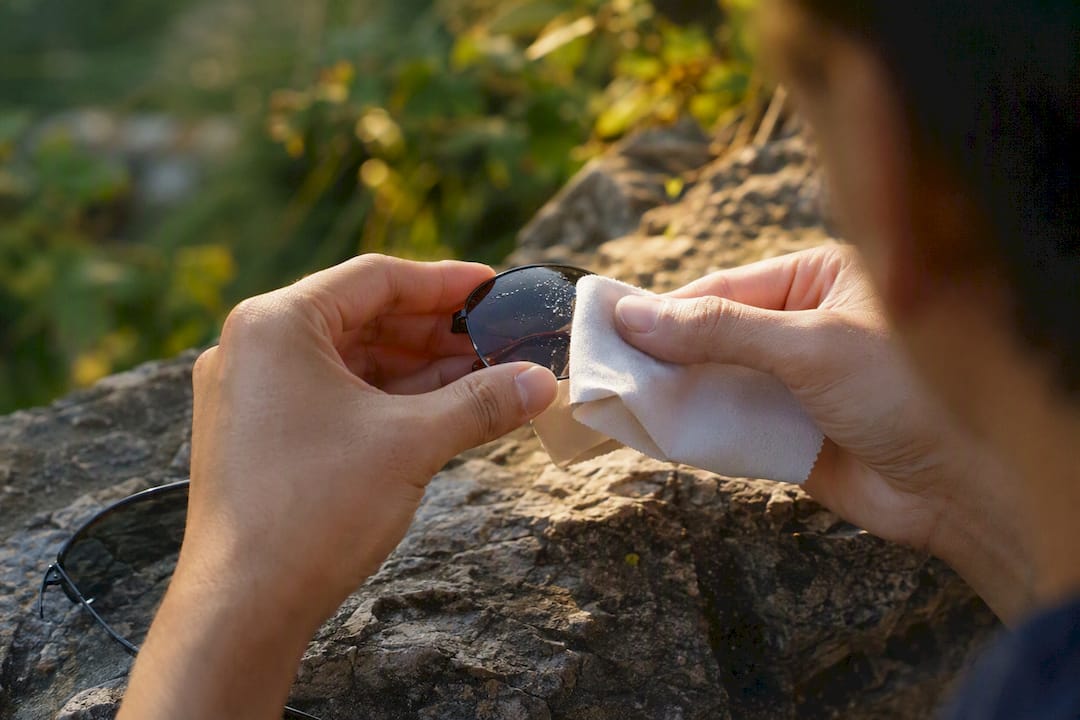
Store lenses in a hard case rather than tossing them in a bag with tackle, since the mirror coating scratches more easily than the base lens material and a scratch across a mirror coating is far more visible than one on an uncoated lens. Avoid leaving sunglasses on a dark dashboard or seat in direct sun for hours, since extreme heat can degrade both the polarized film and any mirror coating over time.
Clean with plain water and mild soap when needed, and skip household glass cleaners or ammonia-based products, which can break down coatings faster than normal wear does. If you carry a two-lens kit, keep each pair in its own case rather than stacked together, since lenses rubbing against each other in a bag is one of the most common causes of premature mirror wear.
Depth Perception and Underwater Clarity by Tint
Depth perception underwater comes down to contrast, not magnification, and different tints handle that job differently depending on water color and depth. A tint that boosts contrast against a sandy or grassy bottom helps you judge how far down a fish or structure sits, while a tint that flattens color differences makes everything blur into the same underwater haze.
Copper and amber tints tend to improve perceived depth in shallow to moderate water by making warm-toned structure, sand, rock, and fish alike, stand out against the surrounding water color. Green mirror does something similar over grass flats, where the natural color of the bottom is close to the tint itself, sharpening the line between fish and vegetation rather than washing it out.
In deep, clear blue water, the calculation changes. There’s less bottom contrast to enhance in the first place, so blue mirror and gray lenses aren’t trying to boost depth perception the way copper does inshore, they’re managing the glare that would otherwise prevent you from seeing anything at depth at all. That’s a meaningfully different job even though both fall under the umbrella of “improving what you see underwater.”
Glass lenses have an edge here worth noting: their superior optical clarity means less distortion at the edges of your field of view, which matters when you’re trying to judge distance and depth on a fish you’ve spotted at an angle rather than dead ahead.
What Anglers Get Wrong About Lens Color
Most tint debates online treat this like a single-answer question, as if one color could win outright. It can’t, and the research backs that up plainly: water type and light level decide the winner, not brand loyalty or what looked best in a photo. The conventional advice oversells one “perfect” all-around lens and undersells the two-lens approach, which is the actual fix for anglers who fish more than one kind of water.
If I had to prioritize one thing for a reader building a kit from scratch, it’s this: buy the contrast lens first, copper, amber, or green mirror, since it covers the widest range of realistic fishing days. Add the dark offshore lens second, once your trips actually demand it. Skip yellow and rose entirely unless dawn and dusk fishing is a real, recurring part of your schedule, not just an occasional trip.
The other overlooked point is VLT. Anglers fixate on color names and ignore the percentage that actually determines comfort. A “copper” lens at 12% VLT and one at 20% VLT will feel like two different products in the same light.
Get the Right Tint With Chap’el Eyewear’s Polarized Lineup
Chap’el Eyewear builds its polarized and photochromic lenses around the exact tint categories covered in this guide, so you’re not guessing between vague marketing names when you shop. Where a specialty fishing brand might lock you into one narrow style, Chap’el pairs true polarized clarity with frames built for all-day wear on the water, without sacrificing the look you’d actually want to wear off the boat too.

If you fish mostly inshore or freshwater, start with a copper or amber pair from the designer polarized collection. If your trips lean offshore or you want a frame built for hard use, check the sport polarized collection for darker, glare-cutting options. Either way, protect your investment with a proper zipper case so the coatings last the season. Browse the full lineup at Chap’el Eyewear and build the two-lens kit that actually matches how you fish.
Frequently Asked Questions
What is the best lens color for fishing overall? Copper or amber is the best single-pair tint for most anglers because it performs well across freshwater, inshore, and stained water. Green mirror is the top alternative for sight fishing over grass flats.
What lens color should I use for sunny offshore fishing? Blue mirror or gray works best in bright offshore conditions. Both sit at a lower VLT, typically in the 8 to 15 percent range, which cuts the intense glare common on open blue water.
Is a clear lens ever useful for fishing? Clear lenses don’t offer meaningful glare reduction on the water, so they’re better suited to low-light situations like early morning boat prep than to actual fishing in daylight.
Do amber lenses actually help with fish visibility? Amber and copper tints boost contrast and pull warm tones forward, which makes structure and fish easier to spot in stained or tannin-colored water rather than changing how fish themselves see anything.
Should I buy photochromic lenses instead of a fixed tint? Photochromic lenses adjust as light changes and cut down on lens swaps during mixed-light days, but they rarely get as dark as a dedicated blue-mirror lens built for bright offshore glare.
How do I know if a lens is too dark for shallow water? If a lens leaves you straining to see structure a foot or two below the surface in normal daylight, its VLT is too low for that environment. Shallow, skinny water usually calls for a lighter tint than deep open water does.
Sources
- Fishing Lens Color Guide: Best Tints for Every Water Type | Recglasses
- What’s the Best Lens Color For Fishing? (2026) Detailed Guide
- How to choose polarized sunglasses (Salt Strong)