

Buy Verified Eco-Friendly Sunglasses That Still Block 100% UV
Buy sunglasses made from verified recycled or traceable materials that still carry documented 100% UVA/UVB protection, durable hardware, and a real warranty. That combination matters more than any leaf logo on the box: the American Academy of Ophthalmology specifically recommends lenses that block both UVA and UVB rays, and no recycled frame is worth wearing if the lens fails that basic test. Chap’el Eyewear builds its collections around that exact standard, pairing recycled and durable materials with full UV protection.
Key Takeaways
Eco-friendly sunglasses only deliver real value when verified recycled materials are paired with documented 100% UVA/UVB protection and a durable, repairable build.
| Point | Details |
|---|---|
| Demand a percentage | Never accept “recycled” without a stated percent recycled content and material source. |
| UV protection is non-negotiable | Confirm 100% UVA/UVB blocking per AAO guidance before checking anything else. |
| Certifications beat adjectives | Trust B Corp, chain-of-custody statements, and audited recycled-content claims over words like “natural” or “eco-friendly.” |
| Durability lowers lifetime impact | A repairable frame with a real warranty often beats a slightly greener frame you’ll replace sooner. |
| Chap’el balances both priorities | Chap’el Eyewear pairs UV-verified, impact-resistant lenses with durable frames and polarized or photochromic options across its collections. |
Table of Contents
- What Makes Sunglasses Genuinely Eco Friendly?
- Which Materials Actually Qualify as Sustainable Sunglasses?
- Which Certifications Actually Mean Something?
- Do Eco-Friendly Sunglasses Still Protect Your Eyes?
- How Much Should Eco-Friendly Sunglasses Cost?
- How Do You Verify a Brand’s Sustainability Claims?
- Balancing Sustainability With Function
- Why Chap’el Eyewear Is the Practical Choice for Eco-Conscious Buyers
- Where to Learn More About UV Safety Standards
- Frequently Asked Questions
- Sources
What Makes Sunglasses Genuinely Eco Friendly?
Run any pair through this checklist before you buy. A brand that can answer “yes” and back it up with specifics is worth your money. One that dodges the question with a vague label is not.
- Recycled content, quantified. Look for an actual percentage (30%, 70%, 100%), not just the word “recycled.”
- Traceable sourcing. The brand can tell you where the material came from, whether that’s ocean plastic, industrial scrap, or reclaimed fishing gear.
- Repairability and warranty. Screws, hinges, and nose pads should be replaceable, and the warranty should run at least a year.
- A take-back or recycling program. Genuinely sustainable brands plan for what happens to the frame after you’re done with it.
- Third-party certification, where relevant. B Corp status or an independent recycled-content audit carries more weight than a brand’s own claim.
- Documented UV-safety specs. The product page should state 100% UVA/UVB protection, not just “UV protected.”
Pro Tip: If you have to choose between a slightly lower recycled-content percentage and better lens specs or a longer warranty, take the warranty. A frame you keep for five years beats one you replace in eight months, no matter what it’s made of.
Which Materials Actually Qualify as Sustainable Sunglasses?
Eco-conscious frames are not a single material category. They’re a handful of different approaches, each with its own tradeoffs.
- Recycled rPET plastic. Made from reprocessed plastic bottles or industrial waste, rPET frames are light and inexpensive to produce, but tend to be less flexible than virgin nylon and can feel brittle in cold weather.
- Recycled fishing-net nylon (rNylon). Some manufacturers reclaim marine debris and old fishing nets to spin new frame nylon, which pulls plastic out of the ocean while producing a genuinely durable material. One example on the market pairs 100% recycled fishing-net frames with polarized lenses built to AS/NZS 1067:2016 lens standards, showing how reclaimed nylon can meet formal protection benchmarks rather than just a marketing claim.
- Bio-acetate. Plant-based acetate (often derived from cotton or wood pulp) swaps out petroleum content but usually costs more to manufacture and isn’t always compostable at end of life despite the “bio” label.
- Sustainably sourced wood. Wood frames are biodegradable and visually distinctive, but they require more careful repair and don’t flex the way plastic or metal does.
- Metal with recycled content. Recycled aluminum or stainless steel holds up well structurally and is fully recyclable again later, though it adds weight compared to plastic.
- Upcycled materials. Some brands repurpose industrial offcuts or discontinued stock into new frames, which reduces waste but can limit color and style consistency between batches.
Ask any brand for the actual percent recycled content and where the raw material originated. A vague “eco materials” line on a product page tells you nothing.
Pro Tip: Durability is an environmental feature, not just a comfort one. A frame that lasts eight years has a lower lifetime footprint than a “greener” frame you replace three times in that span.
Which Certifications Actually Mean Something?
Some green claims are backed by paperwork. Most aren’t. Learn to tell the difference before you check out.
Signals worth trusting:
- Independent recycled-content verification (a third party audits the percentage claim)
- Certified B Corporation status
- Climate Neutral or verified carbon-neutral certification
- Documented chain-of-custody statements showing where materials moved from source to frame
Phrases that should make you pause:
- “Eco-friendly” with no material breakdown
- “Natural materials” with no percentage or sourcing detail
- “Biodegradable” without naming a compostability standard
- Carbon offset claims with no third-party verification attached
Brand sustainability pages sometimes cite quantified reductions in carbon, water use, and waste compared to conventional production. Those numbers are useful precisely because they’re specific. A brand willing to publish a measurable claim is a brand more likely to stand behind it, while one that only offers adjectives usually has nothing to measure.
Do Eco-Friendly Sunglasses Still Protect Your Eyes?
Recycled materials mean nothing if the lenses let UV rays through. The FDA’s guidance for nonprescription sunglasses sets labeling expectations for UV-protection claims, and the CDC is direct about the damage unprotected UV exposure does to eyes and skin over time.
Check for 100% UVA/UVB blocking, polarization if you spend time near water or driving, and impact-resistant lens material. Polarized lenses cut glare specifically, while photochromic lenses adjust tint automatically as light shifts.
- Frame designed for repair (replaceable hinges, screws)
- Replaceable or repairable lenses
- Warranty of at least one year
- A stated take-back or recycling program at end of life
Pro Tip: If a brand won’t state UVA/UVB blocking percentage on the product page, assume it hasn’t been tested and move on, regardless of what the frame is made from.
How Much Should Eco-Friendly Sunglasses Cost?
Budget pairs (roughly $20 to $50) typically use basic rPET and skip independent certification. Mid-range options ($60 to $150) usually add polarization, better recycled-content documentation, and a real warranty. Premium pairs (above $150) tend to combine traceable materials, advanced lens coatings, and repair or take-back programs.
- Buy from brand sites with a dedicated traceability or materials page, not just a product description.
- Favor listings with detailed lens specs (UV rating, polarization, base curve) over generic bullet points.
- Use authorized retailers for premium optics so warranty claims aren’t voided.
- Avoid unbranded marketplace listings with vague sustainability claims and no visible return policy.
Pro Tip: Watch for certified collections during seasonal sales. You often get the same recycled-content documentation and warranty at a lower price without losing any protection.
How Do You Verify a Brand’s Sustainability Claims?
Ask directly, and expect a specific answer. A short message like: “Can you confirm the percent recycled content in this frame and share any third-party certification or supplier documentation?” separates brands with real answers from ones that stall.
- Request the exact percent recycled content, not a range.
- Ask for supplier or traceability documentation.
- Confirm the name of any certification claimed and check it independently.
- Verify UV protection was independently tested, not just self-reported.
Red flags: vague lifecycle language, no repair or warranty program, no contact listed for materials questions, and specs that shift between the product page and the packaging. Keep your receipt and a photo of the frame. Both matter if you ever use a take-back or recycling program later.
Balancing Sustainability With Function
Sustainability matters, but never at the cost of eye safety. That’s the line I keep coming back to when I look at this category: plenty of brands lead with recycled content and bury the UV specs, and that ordering is backward.

A frame made from reclaimed ocean plastic that lets UV rays through isn’t an eco win, it’s a health risk with good marketing. What I like about Chap’el Eyewear’s approach is that it doesn’t treat those two priorities as competing. Its guidance on affordable protection puts UV performance first and builds durability and value around it, which is the order this whole category should follow.
Why Chap’el Eyewear Is the Practical Choice for Eco-Conscious Buyers
Chap’el Eyewear checks the boxes this guide just walked through: full UV protection, durable frame construction, and lens technology built for real use, not just a product photo. If you’ve been comparing options based on vague green claims, this is the more straightforward path.
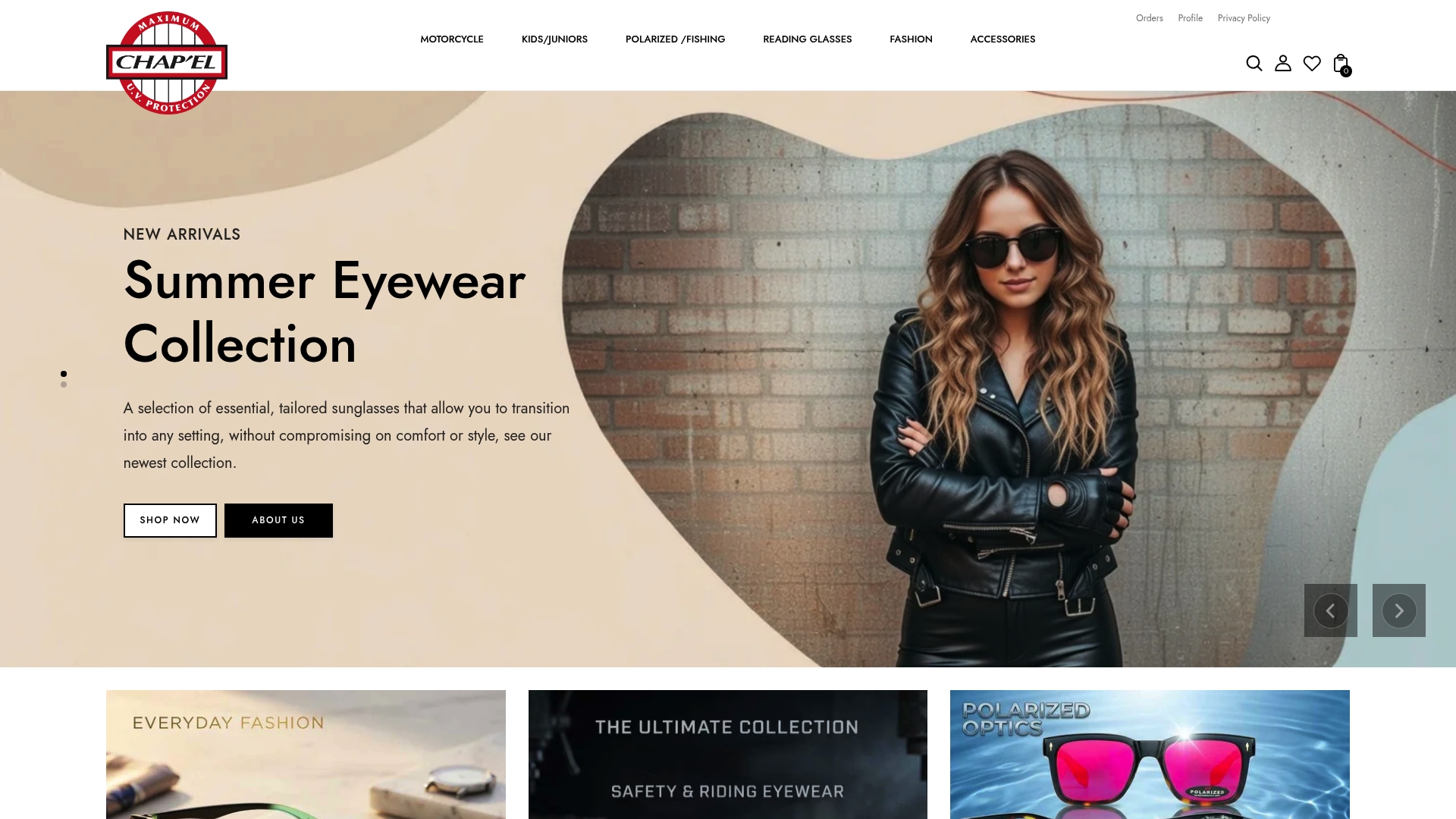
The designer polarized collection covers everyday and fashion-forward wear with glare-cutting lenses, while the sport polarized line is built for outdoor and active use where durability actually gets tested. Both come with adjustable nose pads and impact-resistant polycarbonate lenses, and Chap’el’s photochromic options adjust automatically as light conditions change, so you’re not swapping pairs between indoor and outdoor settings. Pair any frame with a protective case to extend its working life well past the warranty period.
If you’re ready to stop guessing which claims hold up, shop Chap’el Eyewear’s current collections and pick the pair that matches how you actually spend your time outside.
Where to Learn More About UV Safety Standards
- FDA nonprescription sunglasses guidance: confirms labeling rules for UV-protection claims.
- CDC UV radiation resources: explains health risks from unprotected sun exposure.
- Chap’el’s UV protection guide: shows how one brand documents compliance in practice.
Frequently Asked Questions
Are eco-friendly sunglasses as durable as conventional ones? Often, yes. Materials like recycled nylon and metal frames with recycled content hold up as well as virgin-material equivalents; the weak point is usually a brand skipping quality control, not the recycled material itself.
Do recycled-material sunglasses cost more than regular sunglasses? Sometimes, but not always. Budget rPET frames can match conventional plastic pricing, while premium traceable materials and certifications add cost, similar to how organic cotton costs more than standard cotton.
Can biodegradable sunglasses still block UV rays effectively? Yes, if the lens material meets the same standards regardless of frame material. Always check the lens specs separately from the frame’s eco claims, since one doesn’t guarantee the other.
What’s the environmental impact of producing sunglasses conventionally? Conventional sunglasses production relies on petroleum-based plastics and processes that generate water use and waste at each manufacturing stage, which is why brands publishing measurable reductions in those areas stand out from ones making unquantified claims.
How do I know if a “recycled” claim is real? Ask the brand for the specific percentage and supplier documentation. A brand that can’t answer with a number likely hasn’t verified the claim itself.