
The Best Ray-Ban Alternatives for Every Budget in 2026
The top Ray-Ban alternatives worth buying right now
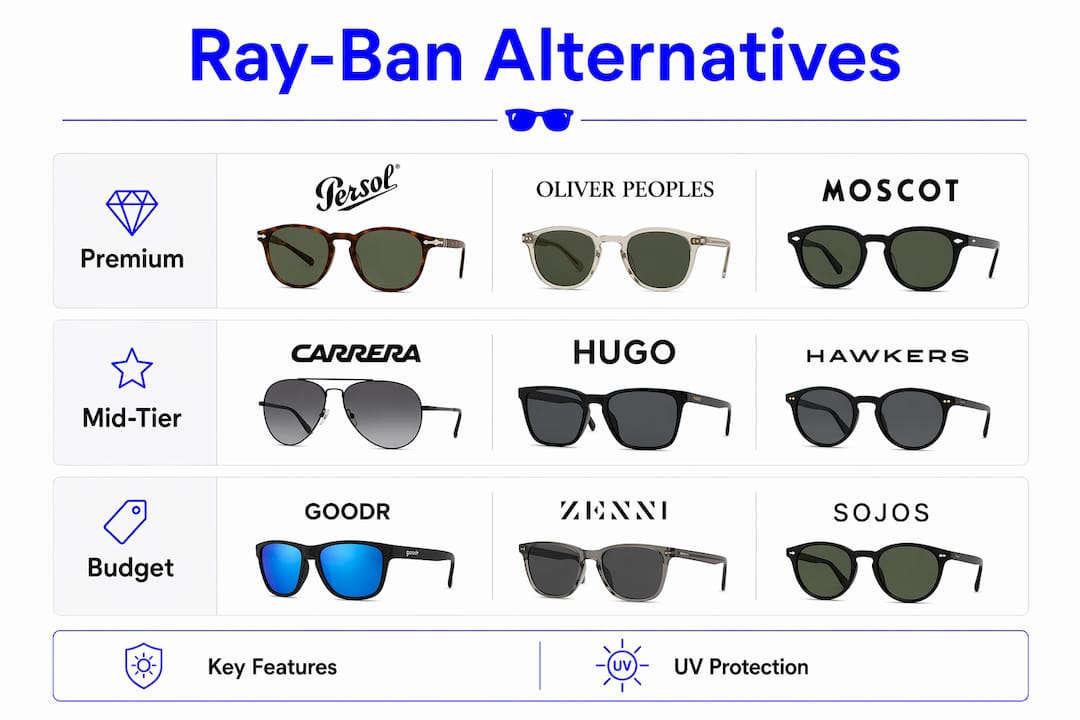
You don’t have to pay Ray-Ban prices to get Ray-Ban style. The brands below cover every price point, from under $25 to well above $500, and several of them actually outperform Ray-Ban on lens quality, frame durability, or both.
| Brand / Model | Style | Price Range | Lens Quality | Frame Material | UV Protection | Best For |
|---|---|---|---|---|---|---|
| Warby Parker Harris | Wayfarer | $95 | Polycarbonate, good clarity | Acetate | UV400 | Style-conscious, mid-budget |
| Blenders Eyewear Cardiff | Clubmaster | $50 | Mirrored polycarbonate | Plastic/metal | UV400 | Bold style seekers |
| Knockaround Shades Classics | Wayfarer | Under $30 | Polarized polycarbonate | Grippy plastic | UV400 | Budget, active use |
| Goodr OG Series | Wayfarer-inspired | $25–$35 | Polarized polycarbonate | Grippy plastic | UV400 | Active daily wear |
| Maui Jim | Various | $150 | SuperThin glass / BiModal | Lightweight alloy | UV400 | Lens performance priority |
| Randolph Engineering | Aviator | $150 | Glass or polycarbonate | Military-spec metal | UV400 | Durability, vintage style |
| Tomahawk Shades Landfills | Aviator | Under $40 | Polarized polycarbonate | Thin metal | UV400 | Budget Aviator buyers |
| Kaliyadi Polarized Retro Classic | Clubmaster | Under $25 | Polarized polycarbonate | Plastic/metal | UV400 | Casual, ultra-budget |
| Maison Éclat | Various | $400+ | Premium optical | Handcrafted acetate | UV400 | Prestige, exclusivity |
| Tom Ford | Various | $300 | Premium optical | Acetate/metal | UV400 | Luxury statement |
| Gucci | Various | $300 | Premium optical | Acetate/metal | UV400 | Luxury branding |
| Cartier | Various | $500 | Optical glass | Precious metal/acetate | UV400 | Heritage luxury |
| Burberry | Various | $200 | Quality optical | Acetate/metal | UV400 | Refined British luxury |
| American Optical Saratoga | Aviator | $100 | Glass or polycarbonate | Lightweight metal | UV400 | Outdoor professionals |
| Masunaga | Classic | $300 | Premium optical | Japanese acetate | UV400 | Understated premium |
Ray-Ban sits inside the Luxottica portfolio, which controls a large share of the global eyewear market. That concentration lets the brand hold prices high while manufacturing quality has drawn mixed reviews from longtime wearers. The brands above exist precisely in that gap.
Comparing iconic Ray-Ban styles with their strongest alternatives
The three Ray-Ban silhouettes that define the brand are the Wayfarer, the Aviator, and the Clubmaster. Each has a clear challenger in 2026.
Wayfarer alternatives
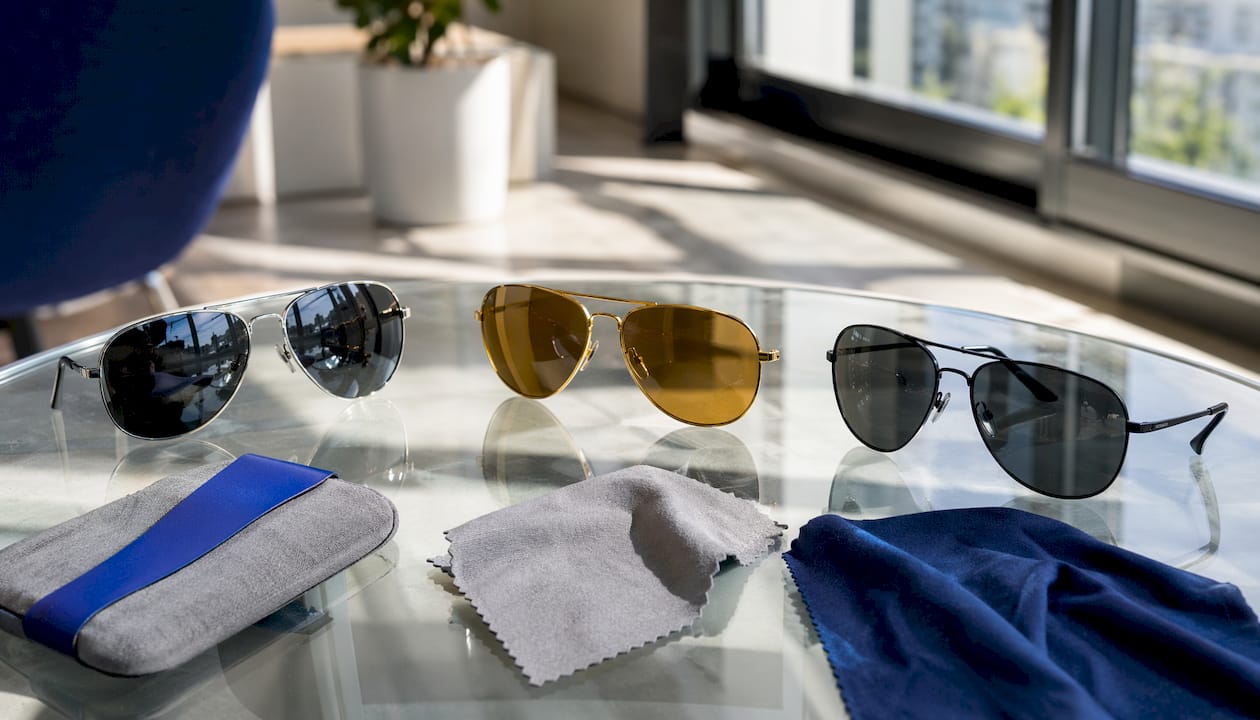
The Warby Parker Harris is the most direct Wayfarer rival at the mid-tier level. Warby Parker built its entire brand around the idea that glasses are too expensive, and the Harris delivers on that premise with a classic trapezoidal frame, quality acetate construction, and a price well below Ray-Ban’s Wayfarer. The fit is slightly more refined than the original, and the color options are genuinely varied.
Knockaround Shades Classics sit at the opposite end of the price range. The frames use a grippy plastic that holds on during activity, the lenses are polarized, and the whole package comes in under $30. You’re not getting spring hinges or premium acetate, but for a pair you’ll throw in a bag without worry, they’re hard to beat.
The Goodr OG Series borrows the Wayfarer’s trapezoidal silhouette and adds a grippy coating that keeps the frames from sliding during a run or a bike ride. Wirecutter noted that the OGs are available for under $35 and come in more colors than almost any other budget pick, backed by a one-year warranty.
Aviator alternatives
Aviator sunglasses have a documented military origin. The style was developed for US Army Air Corps pilots in the 1930s, and Ray-Ban’s version became the civilian standard. Two brands now challenge that position convincingly.
Tomahawk Shades Landfills copy the thin metal frame and teardrop lens shape almost exactly, add polarized UV400 lenses, and land at a fraction of Ray-Ban’s Aviator price. For a casual wearer who wants the look without the investment, they’re the obvious call.
Randolph Engineering and American Optical Saratoga both go the other direction: higher quality, not lower price. Randolph supplies aviators to the US military and builds frames to a standard that outlasts most fashion eyewear. American Optical has a similar heritage and uses lightweight metal frames with glass or polycarbonate lens options. Both reward buyers who want something that will last years, not months.
Clubmaster alternatives
The Blenders Eyewear Cardiff matches the Clubmaster’s browline shape but pushes the aesthetic further with mirrored lenses and bolder color combinations. It’s a Clubmaster for someone who wants to be noticed. The Kaliyadi Polarized Retro Classic covers the same silhouette at a much lower price, with polarized lenses and a plastic-metal hybrid frame that holds up reasonably well for casual wear.
Key trade-offs at a glance:
- Warby Parker Harris vs. Ray-Ban Wayfarer: Similar classic shape, lower price, comparable acetate quality
- Knockaround Classics vs. Ray-Ban Wayfarer: Polarized lenses, grippy frames, fraction of the cost, no spring hinges
- Goodr OG vs. Ray-Ban Wayfarer: Active-friendly coating, wide color range, one-year warranty, $30 price point
- Tomahawk Shades Landfills vs. Ray-Ban Aviator: Polarized UV400 lenses, same thin-metal aesthetic, significantly lower price
- Randolph Engineering vs. Ray-Ban Aviator: Military-spec construction, glass lens option, longer lifespan
- Blenders Cardiff vs. Ray-Ban Clubmaster: Bolder mirrored lenses, more color variety, moderate price
- Kaliyadi Retro Classic vs. Ray-Ban Clubmaster: Ultra-budget, polarized, decent casual quality
Consumer feedback consistently points to one pattern: specialized optics brands like Maui Jim and Randolph Engineering outperform fashion-first brands on lens clarity and warranty terms, while budget picks like Knockaround and Goodr punch above their price on polarization quality. The middle ground, where Warby Parker and Blenders Eyewear live, offers the best style-to-value ratio for most buyers.
A detail worth knowing: many eyewear brands share manufacturers, meaning the hinge construction and lens coatings on a lesser-known brand can match or exceed those on a heavily marketed name. The logo on the temple is not always a reliable proxy for build quality.
Affordable Ray-Ban alternatives under $50
Budget sunglasses have gotten genuinely good. The options below all deliver polarized lenses and UV400 protection at prices that make losing or scratching a pair feel like a minor inconvenience rather than a disaster.
The best picks under $50:
- Knockaround Shades Classics: Polarized lenses, grippy plastic frames, Wayfarer silhouette, and a color catalog that covers everything from matte black to translucent pastels. Style-conscious buyers on a tight budget consistently recommend these on forums and review threads.
- Goodr OG Series: The grippy coating is the standout feature here. It keeps the frames locked during activity, which is why active wearers and runners favor them. The one-year warranty is a bonus most sub-$35 brands skip.
- Kaliyadi Polarized Retro Classic: Two pairs for under $25 is the pitch, and it holds up. The Clubmaster-inspired frame with polarized lenses at that price is hard to argue with for casual, everyday wear.
- Tomahawk Shades Landfills: Polarized, UV400-rated, and built in the classic Aviator shape with thin metal frames. The price sits well under $40, making them the strongest budget Aviator option available.
Who are these picks for? Casual wearers who rotate through multiple pairs, active users who don’t want to risk an expensive frame during outdoor activities, and anyone who’s tired of paying premium prices for a logo. For affordable sunglasses that still deliver real UV protection, these four cover the field.
One honest caveat: budget frames typically use fixed hinges rather than spring hinges, and the plastic used is thinner than premium acetate. They’ll hold up for a season of regular use, but don’t expect them to last five years the way a Randolph Engineering or Maui Jim frame will.
What to actually look for when choosing a Ray-Ban alternative
The frame shape gets all the attention, but the lens is where the real quality difference lives.
Lens features that matter:
- Polarization: Cuts glare from reflective surfaces like water, roads, and snow. Not every budget pair includes it, so check the spec sheet before buying.
- UV400 protection: Blocks wavelengths up to 400 nanometers, covering both UVA and UVB. Any pair worth buying should carry this rating.
- Lens material: Glass lenses offer superior optical clarity and scratch resistance but add weight and can shatter on impact. Polycarbonate lenses are lighter, impact-resistant, and the standard for active use. Most budget and mid-tier alternatives use polycarbonate; Maui Jim and Randolph Engineering offer glass options for buyers who prioritize clarity.
- Coatings: Anti-reflective, hydrophobic, and oleophobic coatings extend lens life and maintain visual quality. These are often where budget brands cut corners.
Frame construction signals:
- Spring hinges vs. fixed hinges: Spring hinges flex outward and snap back, which prevents the frame from loosening over time and keeps the fit snug. Fixed hinges are simpler and cheaper but tend to stretch with regular use.
- Frame material: Acetate is the premium standard for plastic frames, offering richer color depth and better durability than injected plastic. Metal frames range from cheap zinc alloy to military-spec titanium.
- Nose pads: Adjustable nose pads let you dial in the fit, which matters for comfort over long wear. Many budget frames use fixed plastic nose bridges that don’t accommodate different face shapes.
Brand reputation vs. actual build quality:
The trade-off between brand prestige and material durability is the central tension in this category. A heavily marketed name doesn’t guarantee better construction. Warranty terms are a more reliable signal: brands that offer multi-year warranties on lenses and frames are betting on their own quality.
Pro Tip: When evaluating any alternative, check whether the brand offers replacement polarized lenses for existing frames. Swapping scratched lenses instead of buying a new pair is a cost-effective way to extend the life of frames you already love.
For a deeper look at how polarization affects visual performance, the polarized vs. non-polarized breakdown covers the practical differences clearly.
Pro Tip: Frames with spring hinges offer extra flexibility and a tighter fit compared to fixed-hinge frames, helping prevent sliding and improving comfort during active wear.
Chapeleyewear as a premium stylish alternative worth considering
Chapeleyewear occupies a specific position in this market: premium construction and design versatility at a price below the luxury tier, with a direct-to-consumer model that cuts out the retail markup.
The core of what Chapeleyewear offers is impact-resistant polycarbonate lenses with polarized and photochromic options, paired with lightweight frames built for all-day comfort. The adjustable nose pads are a practical detail that most mid-tier brands skip. The frame lineup spans classic silhouettes for everyday wear and performance-oriented designs for outdoor use, which means one brand covers both the style-conscious commuter and the weekend hiker.
What sets Chapeleyewear apart in this segment:
- Impact-resistant polycarbonate lenses with UV protection across the full collection
- Polarized and photochromic lens options for different light conditions
- Lightweight, durable frames with adjustable nose pads for a tailored fit
- Padded frame options for wind protection during active outdoor use
- Direct-to-consumer pricing that removes the retail layer from the cost
The photochromic lens options are worth calling out specifically. Most brands at this price point offer polarized or non-polarized, and that’s it. Photochromic lenses that adapt to changing light conditions are typically a feature you pay significantly more for elsewhere.
For style-conscious buyers who want something that moves between a city environment and an outdoor setting without switching frames, Chapeleyewear’s designer polarized collection covers that range. The brand’s focus on tailored design means the frames look deliberate rather than generic, which matters when you’re wearing them as part of an outfit.
Chapeleyewear offers a direct alternative to the brands compared above
If you’ve worked through this comparison and found yourself wanting something that sits between the budget picks and the luxury tier, without the retail markup that inflates mid-range brand prices, Chapeleyewear is worth a direct look.
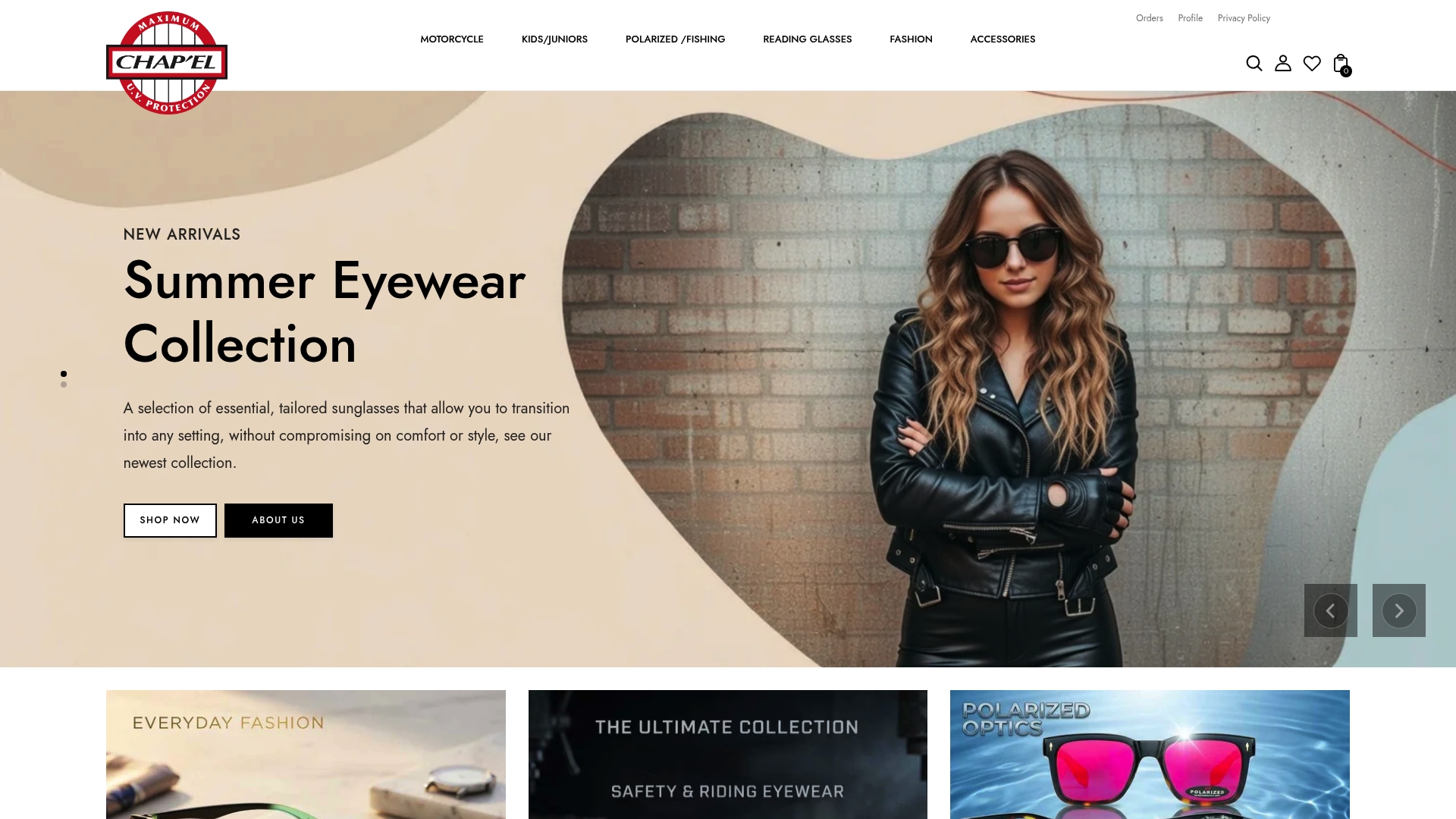
The brands compared above are strong in their lanes. Knockaround and Goodr own the budget space. Maui Jim and Randolph Engineering lead on lens performance. Tom Ford, Gucci, Cartier, and Burberry serve the luxury buyer. Chapeleyewear’s position is different: premium materials and versatile design, sold directly to you at a price that reflects the product rather than the distribution chain.
The full collection at Chapeleyewear covers classic polarized styles, sport-ready frames, and designer-level designs with UV protection built into every lens. For buyers who want a pair that works on the weekend trail and at a dinner table, that range is genuinely useful.
Key Takeaways
The strongest Ray-Ban alternatives in 2026 match or exceed Ray-Ban’s quality on lens performance, frame durability, or both, at prices ranging from under $35 to well above $500 depending on the segment.
| Point | Details |
|---|---|
| Budget picks deliver real protection | Knockaround, Goodr, and Kaliyadi all offer polarized UV400 lenses for under $35. |
| Specialized optics brands lead on lenses | Maui Jim and Randolph Engineering outperform fashion brands on clarity and warranty terms. |
| Style type shapes the best alternative | Wayfarer, Aviator, and Clubmaster each have a clear challenger: Warby Parker Harris, Tomahawk Shades, and Blenders Cardiff respectively. |
| Spring hinges signal build quality | Frames with spring hinges last longer and fit better than fixed-hinge alternatives at the same price. |
| Chapeleyewear bridges mid-tier and premium | Polycarbonate polarized and photochromic lenses, adjustable fit, and direct-to-consumer pricing make it a strong mid-to-premium pick. |