

Do Polarized Sunglasses Block UV? What Really Protects Your Eyes
Not by themselves. Polarization cuts glare, and UV protection is a separate property of the lens that has to be there on its own. A pair can have one, the other, both or neither. The pair you want has both: a polarized lens that is also labeled 100% UV protection or UV400. That is how our polarized lines are built to work, with UV protection and glare reduction in the same lens.
Below you will find what each feature does, how to read the label on a pair, and when polarized lenses help and when they get in the way.
TL;DR
- Polarization reduces glare from flat, reflective surfaces. It does not, on its own, block ultraviolet light.
- UV protection comes from the lens material or a coating. Look for a label that says 100% UV protection, UV400, or UV absorption up to 400 nm.
- Dark or tinted lenses can still let UV through, and clear lenses can block most of it. Color tells you nothing about UV.
- Price is not a guide either: inexpensive pairs can protect well when they carry the right label.
- Polarized lenses shine for driving, water, snow and fishing, but can make LCD screens hard to read and are not meant for night driving.
Table of Contents
- Polarized and UV-blocking are two different things
- Why UV protection matters more than the tint
- What “UV400” and “100% UV” mean
- Can non-polarized sunglasses block UV?
- Does a higher price mean better UV protection?
- What polarization is good for
- When polarized lenses are not the right call
- Do frame shape and wraparound styles matter?
- A quick check before you buy any pair
- Our view: get both in one pair
- Polarized sunglasses with UV protection
- FAQ
- Sources
Polarized and UV-blocking are two different things
It is easy to assume the two go together, because most polarized sunglasses on the market also block UV. But they solve different problems.
UV protection is about invisible radiation. Ultraviolet light (UVA and UVB) can damage the eye over time. The lens either absorbs it or it does not. Ohio State’s eye-health team explains that a 100% UV label means the lens blocks UV wavelengths, while polarization works differently: it selectively blocks light waves of particular orientations, which cuts scatter and glare.
Polarization is about visible glare. Light bouncing off water, a wet road or a car hood becomes mostly horizontal, and a polarized filter blocks much of that horizontal light. The scene looks clearer, with less squinting.

The Cleveland Clinic puts the priority plainly: full UV protection is the most important sunglass feature, and polarization reduces glare without adding UV protection. Consumer Reports, citing an NYU Langone ophthalmologist, says a polarized pair should also carry a UV-protection label because polarization alone does not shield your eyes from UV.
Here is the simple way to hold it in your head:
| Feature | What it does | What it does not do |
|---|---|---|
| UV protection (100% UV, UV400) | Absorbs or blocks UVA and UVB light | Does not reduce glare by itself |
| Polarization | Cuts glare from reflective surfaces, eases eyestrain | Does not, by itself, tell you the lens blocks UV |
| Dark tint | Reduces visible brightness | Does not indicate UV blocking |
The takeaway: you are shopping for two checkmarks, not one. When both are there, you get the comfort of polarization and the protection of a UV-blocking lens in one pair.
Why UV protection matters more than the tint
Your eyes take in UV every time you are outside, not just on beach days. The Cleveland Clinic lists cataracts, macular degeneration, retinal damage, eye strain and dry, sensitive or itchy eyes among the risks tied to inadequate UVA and UVB protection. That is why a lens that only darkens the view falls short.
There is a specific trap here. UT MD Anderson notes that sunglasses without UV protection can let UV reach the eye, and that a dark lens with no UV filter can be worse than nothing: behind a dark tint your pupils open wider, so more light gets in. Some cheap pairs are, in their words, merely colored plastic.
So a dark, stylish lens looks protective whether or not it is. The label is what counts.
What “UV400” and “100% UV” mean
UV400 is the label most shoppers will meet. It refers to blocking light up to a wavelength of 400 nanometers, which covers both UVA and UVB. The American Academy of Ophthalmology says that “UV absorption up to 400 nm” is equivalent to 100% UV absorption, and recommends sunglasses that block 99% or 100% of all UV light.
In practice, any of these on the tag or the lens is what you want:
- 100% UV protection
- UV400
- UV absorption up to 400 nm
- 99% to 100% UV blocked
UT MD Anderson also accepts a UV 95 to 100 label, but the 100% and UV400 wording is the clearest standard to aim for. The Cleveland Clinic adds that you should buy from reputable brands or retailers, since reliable manufacturers test their products.
If you want a step-by-step walk through the label and the lens, we put one together: how to tell if sunglasses are UV400.
Can non-polarized sunglasses block UV?
Yes. This is the flip side of the question, and it surprises people. Polarization has nothing to do with UV absorption, as the AAO’s guidance makes clear, so a non-polarized pair with a proper UV label protects your eyes from UV just as well. A polarized pair with no UV label may not.
Two more things the experts agree on:
- Color and darkness do not indicate UV blocking. The AAO says lens darkness and color say nothing about UV-blocking ability, and that colored, mirror-finished or metallic lenses are not automatically safer.
- Clear lenses can block UV. Ohio State points out that clear polycarbonate safety glasses can block most UV, which shows how little tint has to do with it.
Polycarbonate, by the way, is the lens material we use for impact resistance in our sunglasses and goggles. It suits anyone who wants a lens that is light and tough as well as protective.
Does a higher price mean better UV protection?
No, and that is good news if you are shopping on a budget. UT MD Anderson says expensive or designer sunglasses are not inherently better at UV protection, and inexpensive pairs can protect well when they carry the right UV labeling.
What extra money usually buys is fit, frame materials and finish. If you want the full picture, see our take on paying for fit while verifying UV protection. For gift shoppers, this is a useful rule: pick the style the person will actually wear, and make sure the UV label is on the pair.
What polarization is good for
Once UV protection is covered, polarization is a real upgrade for the right situations. The AAO says polarized lenses reduce reflected glare and eyestrain, which makes them useful for:
- Driving in daylight, where glare off the hood and wet pavement can be harsh
- Fishing and boating, where water throws back bright light
- Beaches and pools
- Golf
- Snowy days, where bright surfaces bounce light into your eyes
Glare is not only a comfort problem. It washes out detail, which is why it matters for anyone trying to see clearly outdoors, from anglers to athletes. Even people filming outdoor sports run into it, and there is a good explainer on sun glare in outdoor sports video that shows how bright reflections wash out a scene.
If you want to understand how the filter works and how to try a pair yourself, our guide on why glare fades with polarized lenses covers it.
When polarized lenses are not the right call
Polarization is a tool for specific conditions, and it helps to know where it gets in the way. The AAO flags a few cases:
- LCD screens. Polarized lenses can make dashboards, ATMs, phones and some watches harder to read. We explain the effect in why polarized sunglasses make LCD screens go dark.
- Ice. Polarization can make ice harder to see while driving or skiing, so stay alert on winter roads and slopes.
- Night. Polarized glasses are not suitable for night driving, and the AAO says they may do more harm than good. Sunglasses are for daylight.
These are reasons to match the lens to the moment, not reasons to avoid polarized lenses. Many people keep a polarized pair for the water, the road and the trail, and use whatever they like for everyday errands.
Some sun hazards also call for more than ordinary sunglasses. The AAO says regular sunglasses are not adequate for tanning beds, arc welding, certain intense snow exposure or looking directly at the sun. Those need specialized filters made for the job.
Do frame shape and wraparound styles matter?
Somewhat. The Cleveland Clinic recommends larger or wraparound frames because they limit sunlight sneaking in from the sides. UT MD Anderson says wraparound styling is not required for good UV protection, so the lens label stays the deciding factor, and the frame is a bonus for coverage.
That is good news for fashion-minded shoppers. You can choose a frame you love and still get protection, and if you are active, a closer-fitting frame adds coverage and stability. Our adjustable nose pads and lightweight, durable frames are meant to keep a pair comfortable and in place through a day outdoors.
A quick check before you buy any pair
Here is the routine, in the order it makes sense in a store or online listing:
- Find the UV claim. Look for 100% UV protection, UV400 or UV absorption up to 400 nm on the tag, listing or lens sticker.
- Ignore the tint. Dark gray, blue, green or mirrored finishes do not tell you anything about UV.
- Decide whether you need polarization. If you spend time on water, snow or the road, yes. If you look at screens a lot outdoors, consider how you will use the pair.
- Check the fit. Frames should sit close enough to limit side light and stay put during your activity.
- Buy from a seller that states its lens specs clearly, as the Cleveland Clinic advises with reputable brands and retailers.
If you are comparing what polarization adds to the bill, our polarized sunglasses cost guide breaks it down.
Our view: get both in one pair
We have run a family business built around sunglasses for a long time, and this question comes up constantly. People assume polarized means protected. It does not, and the two features answer different needs.
Our approach is simple. A good pair of sunglasses should do two jobs: protect your eyes from UV and make the light comfortable to look at. That is why our polarized lines are built for UV protection and glare reduction together, on impact-resistant polycarbonate lenses in lightweight, durable frames.
We also believe protection should not cost a fortune. Our polarized pairs start at $19.99, and that is the point: quality eyewear that looks good, holds up and is priced reasonably.
Whatever you wear, read the UV label first, then pick the style that feels like you.
Brian
Polarized sunglasses with UV protection
If you want glare control and UV protection in one pair, start with our polarized collection. It includes Classic Polarized at $23.99, Sport Polarized at $29.99 and Designer Polarized at $19.99, in styles that range from clean everyday looks to performance frames for active days.
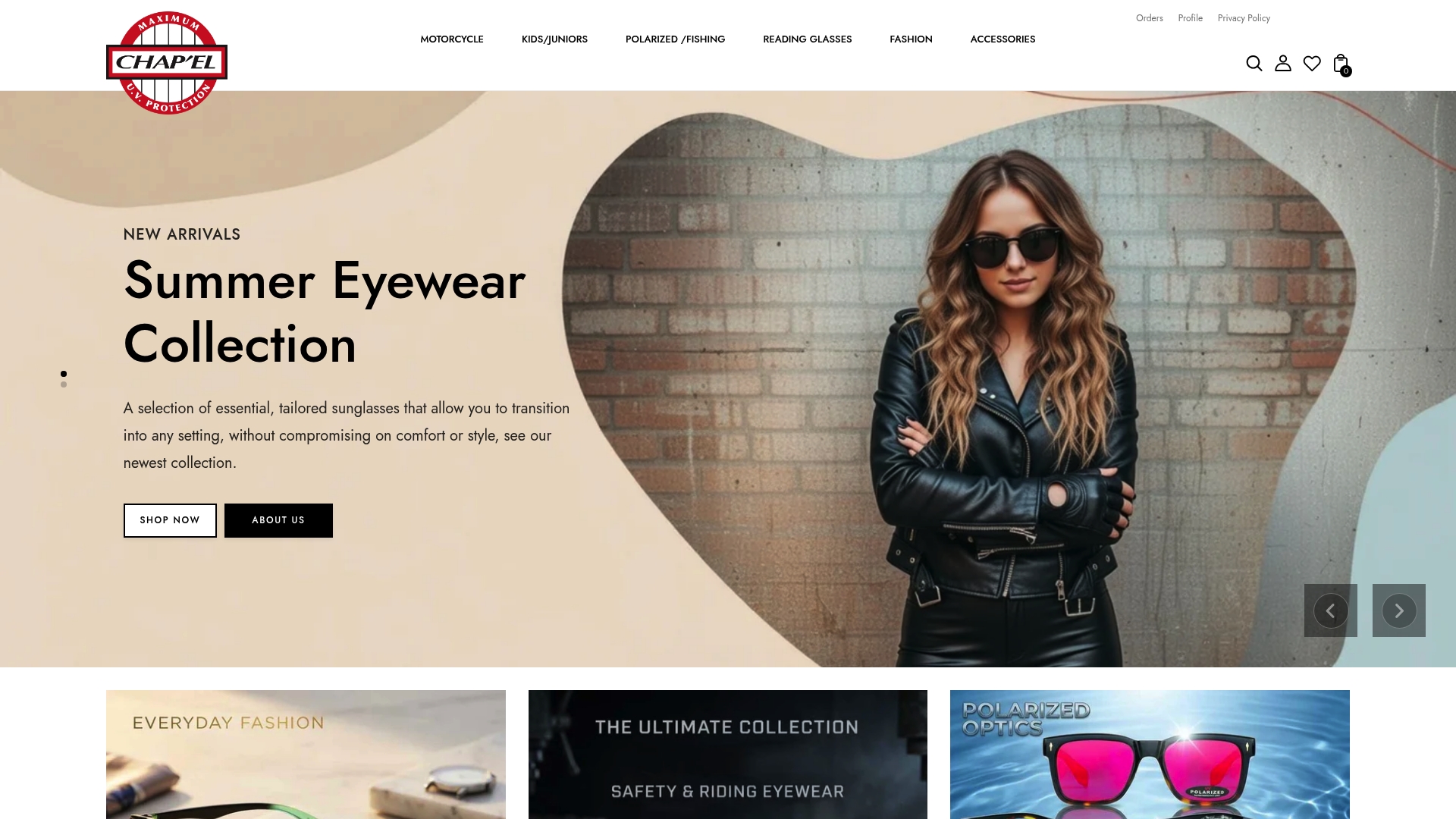
Prefer a style-first pick for everyday wear? The everyday fashion collection has Classic Looks at $13.99, Image at $16.99 and Designer at $19.99. For kids, sport and other uses, browse the Performance Series and Kids/Juniors.
FAQ
Do polarized sunglasses protect against UVA and UVB?
Only if the lens also has UV protection. Polarization reduces glare but does not, by itself, block UV. Look for a label that says 100% UV protection or UV400 so you know the lens covers both UVA and UVB.
Is polarized vs UV protection an either-or choice?
No. They are separate features, and you can have both in one pair. UV protection keeps harmful rays from your eyes, and polarization makes bright, reflective light more comfortable. Choose a pair that lists both.
What does UV400 mean on sunglasses?
UV400 means the lens blocks light up to 400 nanometers, which covers UVA and UVB. The American Academy of Ophthalmology treats that as equivalent to 100% UV absorption. It is the label to look for on any pair.
Are dark lenses better at blocking UV?
No. Darkness and color do not indicate UV blocking. A dark lens without a UV filter can even let in more harmful light, because your pupils widen behind it. Trust the label, not the tint.
Can I wear polarized sunglasses at night?
It is not recommended. The American Academy of Ophthalmology says polarized glasses for night driving may do more harm than good. Save them for daylight, and take them off for dark roads.
Sources
- Do Polarized Sunglasses Protect Your Eyes? (Consumer Reports)
- Choosing protective sunglasses (Ohio State Health & Discovery)
- Why UV Protection Matters When You’re Choosing Sunglasses (Cleveland Clinic)
- Recommended Types of Sunglasses (American Academy of Ophthalmology)
- Sunglasses, eye protection and cancer: 9 things to know (UT MD Anderson)
- What Are Polarized Lenses? (American Academy of Ophthalmology)
- How to Choose the Best Sunglasses to Avoid Sun Damage (American Academy of Ophthalmology)