

Black vs Brown Sunglasses: Style and Function Guide
Black and brown sunglasses differ in two core ways: optical performance and aesthetic character. Black lenses cut intense brightness while preserving natural color perception, making them the go-to for bright sun and high-glare environments. Brown lenses filter blue light, boosting contrast and depth for activities like driving and hiking. Your choice between black or brown eyewear comes down to where you wear them, what you wear them with, and what your eyes need most.
1. How black sunglasses work for style and sun protection
Black lenses are the most straightforward performers in the sunglasses world. They reduce intense brightness without shifting the colors you see, so the world looks darker but accurate. That makes them ideal for beach days, open water, and any setting where glare is the primary problem.
Black frames carry the same logic into fashion. Style experts compare black frames to a denim jacket for versatility, meaning they pair with nearly any outfit without clashing. A black frame reads as bold, clean, and finished whether you are wearing a suit or a T-shirt.
The key strengths of black sunglasses at a glance:
- Glare reduction: Black and gray lenses cut the total amount of light reaching your eyes without distorting color.
- Color accuracy: Objects appear darker, not differently colored, which matters for sports and driving in full sun.
- Universal style: Black frames work with cool, warm, and neutral skin undertones alike.
- Occasion range: From beach to boardroom, black frames rarely look out of place.
- Edgy or classic: Depending on the frame shape, black eyewear can read as minimalist, retro, or bold.
Pro Tip: If you own only one pair of sunglasses, choose black frames with gray or black lenses. They handle the widest range of light conditions and outfits without requiring any thought.
2. The advantages of brown sunglasses for contrast and warm style
Brown lenses do something black lenses cannot: they actively improve how much detail you see. By filtering blue light, brown and amber lenses boost contrast and depth perception, which is why golfers, hikers, and drivers consistently reach for them. In variable or overcast light, brown lenses make edges sharper and terrain easier to read.
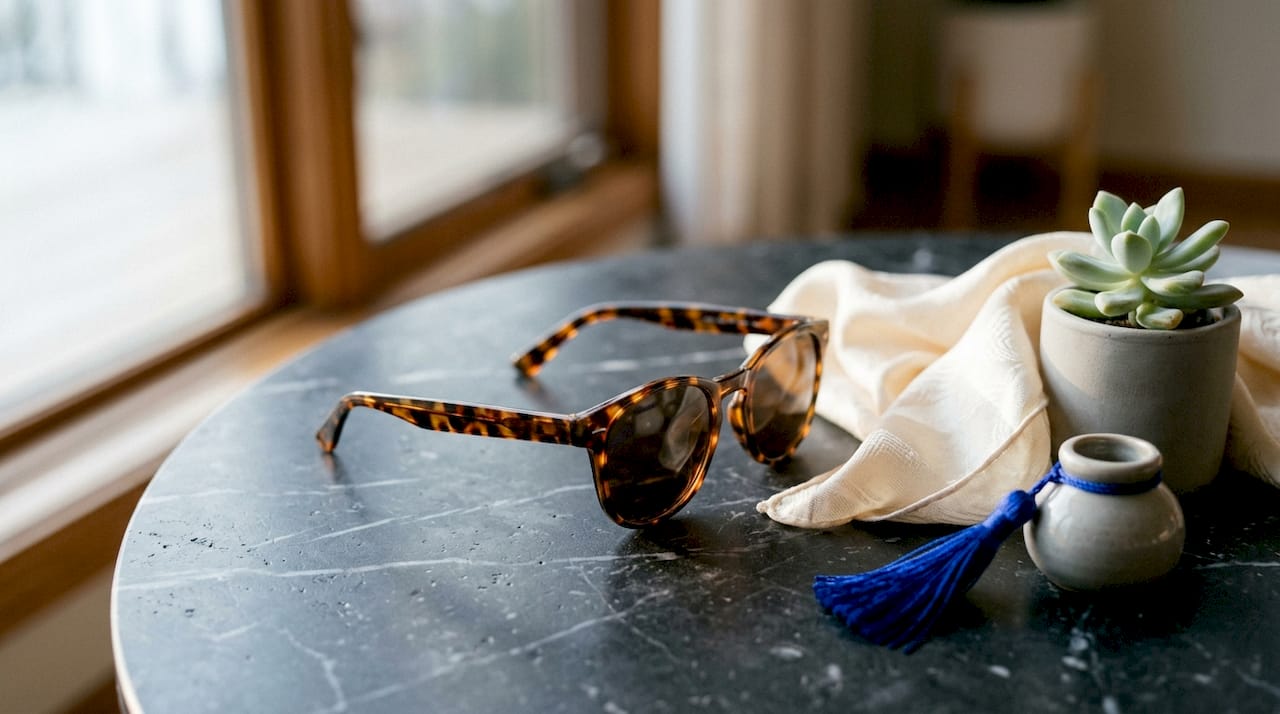
The style case for brown is equally strong. Tortoiseshell patterns, the most recognized brown frame style, feature unique marbling that adds texture and visual richness that solid black simply cannot replicate. Each tortoiseshell pair looks slightly different, which gives brown frames a handcrafted, individualized quality.
Brown frames also soften the face. Against warm or olive skin undertones, a brown frame blends rather than contrasts, creating a more relaxed and approachable look. Fashion editors describe brown sunglasses as a return to thoughtful dressing, placing them alongside linen shirts and leather goods as markers of considered personal style.
The key strengths of brown sunglasses:
- Contrast enhancement: Brown lenses make edges and details sharper, especially in mixed or low-angle light.
- Blue light filtering: Reduces visual fatigue during long drives or extended outdoor activity.
- Texture and depth: Tortoiseshell patterns offer visual complexity that solid frames lack.
- Skin tone harmony: Warm and olive undertones look more balanced with brown frames.
- Wardrobe range: Brown frames move easily from casual denim to tailored linen without looking mismatched.
Pro Tip: Choose polarized brown lenses for driving. Polarized brown lenses cut surface glare and boost contrast at the same time, giving you sharper road visibility than standard tinted lenses.
3. Comparing black and brown sunglasses: features and use cases
The black vs brown lenses decision becomes clearer when you line up the practical differences side by side.
| Feature | Black lenses | Brown lenses |
|---|---|---|
| Primary optical benefit | Glare reduction in bright sun | Contrast and depth enhancement |
| Color perception | True color preserved | Slight warm shift, edges sharper |
| Best light conditions | Intense, direct sunlight | Variable, overcast, or low-angle light |
| Best activities | Beach, water sports, urban use | Driving, hiking, golf, fishing |
| Frame style character | Bold, clean, universal | Warm, textured, sophisticated |
| Skin tone match | Cool and neutral undertones | Warm and olive undertones |
| Outfit pairing | High-contrast and monochrome looks | Earth tones, warm neutrals, denim |
The sunglasses color comparison shows that neither option is objectively better. Black wins on simplicity and glare control. Brown wins on detail visibility and warmth. The best sunglasses color for you depends on where you spend most of your time and what your wardrobe already contains.
Choosing between the two ultimately comes down to your priority: pure glare reduction or enhanced contrast in variable light. Most people who wear sunglasses daily benefit from owning one of each.
4. Outfit and skin tone tips for matching black and brown frames
Frame color works best as a complementary accent, not an exact match. Avoiding exact color matching of frames to skin or clothing creates a more harmonious look than trying to coordinate precisely. Think of your frames the way you think of a belt or a watch: they should complement the outfit, not mirror it.
Black frames suit high-contrast outfits naturally. A black frame against a white shirt, a navy blazer, or a leather jacket creates a sharp, intentional look. They also work well with cool skin undertones, where the contrast between frame and skin reads as defined rather than harsh.
Brown frames thrive in warmer, softer outfit contexts. Pair them with denim, linen, camel coats, or olive field jackets and the result feels pulled together without effort. Warm skin undertones respond especially well to brown and tortoiseshell frames, which blend with the natural warmth of the complexion rather than fighting it.
Practical pairing guidelines:
- Black frames with: Monochrome outfits, leather jackets, formal wear, bold prints, cool-toned clothing.
- Brown frames with: Denim, linen, cashmere, earth tones, vintage-inspired pieces, warm-toned clothing.
- Neutral undertones: Both colors work. Choose based on the outfit rather than the skin tone.
- Avoid: Matching your frame color exactly to your clothing color. It reads as accidental, not coordinated.
5. Situational recommendations: which color to choose by activity
The activity you are doing should drive your lens color choice as much as your outfit does.
-
Driving: Brown lenses are the clear choice. They filter blue light and sharpen contrast, which helps you read road surfaces, spot hazards, and reduce eye strain on long trips.
-
Beach and water sports: Black or gray lenses perform best. They cut the intense reflected glare off water without the warm color shift that brown lenses introduce.
-
Hiking and trail running: Brown lenses help you read terrain. Rocks, roots, and elevation changes appear more defined when contrast is enhanced.
-
Golf: Brown lenses are the standard recommendation among golfers. They make the green’s contours more readable and help you track ball flight against a bright sky.
-
Fishing: Brown or amber lenses cut surface glare and let you see below the waterline more clearly than black lenses.
-
Urban and casual daily wear: Personal preference rules here. Black frames offer a sharper, more versatile look. Brown frames add warmth and texture to everyday outfits.
-
Overcast or variable weather: Brown lenses maintain contrast even when the sun is not direct, making them more useful than black lenses in changing conditions.
-
Formal occasions: Black frames read as more formal and polished. Brown frames, especially in a clean solid finish rather than tortoiseshell, also work well in professional settings.
The functional differences between black or brown eyewear matter most in performance contexts. For casual wear, the choice is purely about personal style and what makes you feel confident.
Key takeaways
Black lenses deliver superior glare reduction in bright sun, while brown lenses enhance contrast and depth perception for variable light and detail-focused activities.
| Point | Details |
|---|---|
| Lens function differs by light | Black lenses cut glare in direct sun; brown lenses sharpen contrast in variable or mixed light. |
| Skin tone guides frame choice | Warm undertones suit brown frames; cool undertones suit black; neutral undertones work with both. |
| Activity should drive lens color | Choose brown for driving, hiking, and golf; choose black for beach, water, and bright-sun settings. |
| Outfit pairing follows contrast logic | Black frames suit high-contrast looks; brown frames complement earth tones and warm neutrals. |
| Avoid exact color matching | Use frames as complementary accents, not precise matches to skin or clothing color. |
Why I think most people choose the wrong color first
Most people buy black sunglasses first because black feels safe. I understand that instinct completely. Black frames are genuinely versatile, and there is nothing wrong with starting there.
The mistake I see repeatedly is stopping at black. Brown sunglasses, particularly tortoiseshell, offer a sophisticated texture and warmth that black frames simply cannot produce. When I started paying attention to how brown frames interact with warm-toned outfits and olive or golden complexions, the difference was obvious. Brown does not just complement those looks. It completes them.
The other mistake is over-matching. Wearing brown frames with a brown jacket because they share a color is not coordination. It is repetition. The better move is to use your frames as a contrast point or a warm accent, not a mirror of what you are already wearing.
My honest recommendation: if your wardrobe leans toward earth tones, denim, and natural fabrics, invest in a quality brown or tortoiseshell frame. If you dress in cooler tones or need one pair that works everywhere, black is the right call. The best outcome is owning both and choosing based on the day.
— Brian
Chapeleyewear’s collection of black and brown sunglasses
Chapeleyewear carries both black and brown frame options designed for people who want style and real-world performance in the same pair.
Whether you are looking for a clean black frame that works from the office to the outdoors, or a warm tortoiseshell that elevates casual and weekend looks, the Chapeleyewear collection has styles built for both. Models like the 4428RVS and the C22SS offer classic frame shapes available in multiple colorways, so you can find the right match for your face, your wardrobe, and your lifestyle. UV protection comes standard, so you are never trading function for style.
FAQ
What is the main difference between black and brown sunglasses lenses?
Black lenses reduce total light and preserve natural color perception, making them best for intense glare. Brown lenses filter blue light and boost contrast, improving detail visibility in variable conditions.
Which sunglasses color is better for driving?
Brown lenses are better for driving. They enhance contrast and depth perception, which helps you read road surfaces and spot hazards more clearly than black lenses.
Do black or brown frames suit more skin tones?
Black frames suit cool and neutral undertones, while brown frames complement warm and olive undertones. Neutral undertones work well with both colors.
Can I wear brown sunglasses with formal outfits?
Brown frames in solid finishes work well in formal and professional settings. Tortoiseshell frames read as more casual but still polished enough for most occasions.
Is it worth owning both black and brown sunglasses?
Owning both gives you the best coverage. Use black for bright sun, beach, and high-contrast outfits, and brown for driving, outdoor activities, and warm-toned wardrobe days.