

Best Ray-Ban Wayfarer Alternatives for Style-Conscious Shoppers
What are the best Ray-Ban Wayfarer alternatives right now?
The Wayfarer silhouette has been a style benchmark since Ray-Ban introduced it in the 1950s, but paying $190 or more for a pair is a choice, not a requirement. Several well-built options deliver the same trapezoidal frame, bold brow line, and versatile appeal at a fraction of the cost or with genuinely better specs for specific uses.
Here are the top Ray-Ban Wayfarer alternatives worth your attention:
- Persol PO3268S — Italian craftsmanship with the brand’s patented Meflecto flex system; premium pricing, but the build quality justifies it for long-term wear
- Todd Snyder x Moscot The Nomad — a collaboration that blends New York heritage eyewear with modern styling; upscale and limited in availability
- Raen Optics Adin — California-based brand with a clean Wayfarer-adjacent silhouette and quality acetate construction
- Warby Parker Harris — hand-polished cellulose acetate, scratch-resistant lenses, and a sub-$100 price point that directly challenges the Wayfarer’s value proposition
- Goodr OGs — around $30 with grippy coatings that prevent sliding during active use; the clearest budget pick
- Chap’el Eyewear — polarized and photochromic lens options, impact-resistant polycarbonate construction, and adjustable nose pads; built for both style and outdoor performance
The spread here runs from budget-friendly sport frames to Italian luxury. Your best pick depends on how you plan to wear them.
Table of Contents
- How do these Wayfarer-style sunglasses actually compare?
- How to choose the right Wayfarer alternative for your needs
- Which face shapes work best with the Wayfarer style?
- Why Chap’el Eyewear stands out as a Wayfarer alternative
- Chapeleyewear: premium style without the premium markup
- Key Takeaways
How do these Wayfarer-style sunglasses actually compare?
Style category, price, lens protection, and comfort vary more than most buyers expect across this group. The table below maps the key differences.
| Model | Style Category | Price Range | Lens / UV Protection | Brand Reputation | Fit and Comfort |
|---|---|---|---|---|---|
| Persol PO3268S | Classic / Premium | $350 | Glass or acetate, UV400 | Italian craftsmanship | Meflecto flex system; wide fit |
| Todd Snyder x Moscot The Nomad | Modern / Upscale | — | Polycarbonate, UV400 | NYC heritage collaboration | Medium fit; refined temple arms |
| Raen Optics Adin | Modern / Mid-range | — | Polycarbonate, UV400 | California-based, well-reviewed | Lightweight; suits medium faces |
| Warby Parker Harris | Affordable / Classic | Under $100 | Scratch-resistant, UV400 | Strong US consumer reputation | Polished acetate; comfortable bridge |
| Goodr OGs | Budget / Sport | ~$30 | Polycarbonate, UV400 | Popular in running community | Grippy coating; snug active fit |
| Chap’el Eyewear | Premium / Versatile | Mid-range | Polarized, photochromic, UV protection, impact-resistant | Fashion and outdoor focused | Adjustable nose pads; lightweight frame |
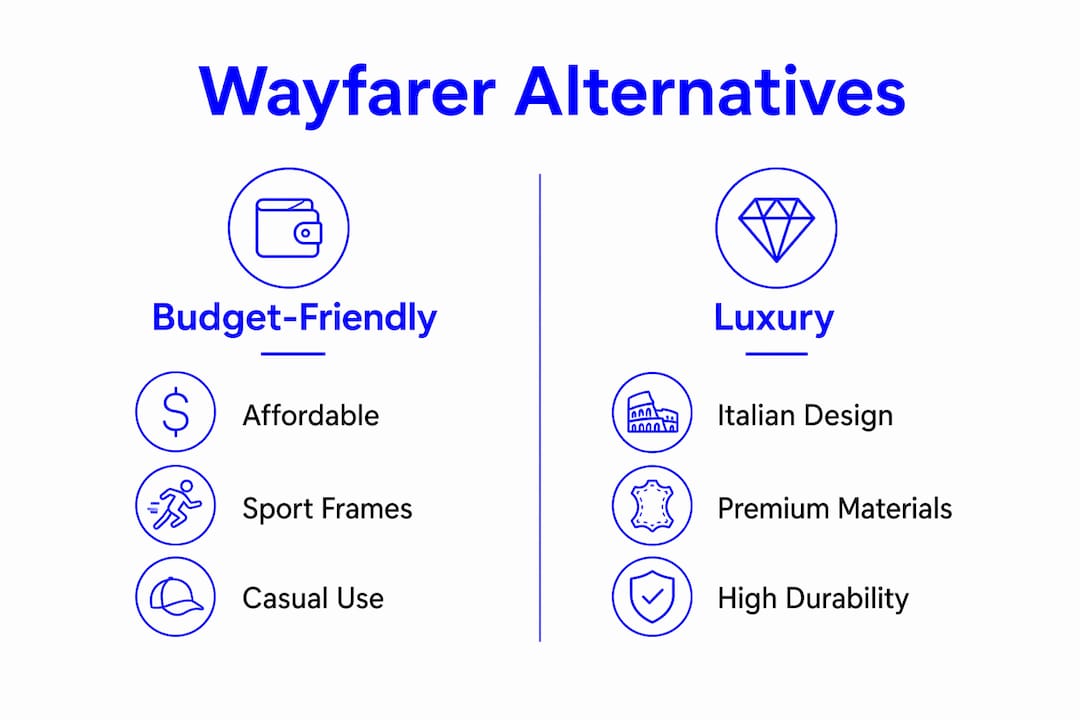
A few things stand out when you look at this side by side. Persol’s Meflecto system gives the frame a flex that most acetate competitors can’t match, which matters if you wear sunglasses for hours at a stretch. The Goodr OGs are the clear value leader at around $30, and bring a grippy coating that the original Wayfarer design never had, making them genuinely better for running or cycling. Chap’el Eyewear covers the middle ground with polarized and photochromic options that work across both casual and active settings.
Key features to note per option:
- Persol PO3268S: Arrow hinges, handcrafted tortoiseshell acetate, patented flex system
- Todd Snyder x Moscot The Nomad: Collaboration exclusivity, vintage-modern aesthetic, quality acetate
- Raen Optics Adin: Lightweight polycarbonate, clean lines, California surf-influenced design
- Warby Parker Harris: Akulon-coated screws, hand-polished acetate, prescription lens availability
- Goodr OGs: many color options, ultra-flexible plastic frames, no-slip grip coating
- Chap’el Eyewear: polarized lenses, photochromic technology, impact-resistant build, adjustable nose pads
How to choose the right Wayfarer alternative for your needs
The right pick comes down to four factors: frame material, lens quality, intended use, and budget.
Frame material shapes both durability and comfort. Cellulose acetate, used by Persol and Warby Parker, is heavier than polycarbonate but feels more premium and holds its shape better over time. Polycarbonate frames, found in Goodr and Chap’el Eyewear, are lighter and more impact-resistant, which suits active wear. If you’re buying for daily commuting and occasional outdoor use, acetate is fine. If you run, bike, or spend long days outdoors, polycarbonate holds up better.
Lens quality matters more than most buyers realize. UV400 protection blocks wavelengths up to 400 nanometers, covering both UVA and UVB rays. Polarized lenses go further by cutting glare from reflective surfaces like water and pavement. Photochromic lenses adjust tint based on light conditions, which is useful if you move between indoor and outdoor environments frequently. Chap’el Eyewear offers both polarized and photochromic options in their lineup, which is relatively rare at their price point.
Budget alignment is straightforward once you know what you’re paying for. The Goodr OGs at around $30 are the honest budget pick. Warby Parker Harris sits under $100 and delivers quality that punches above its price. Persol and Todd Snyder x Moscot are luxury purchases where you’re paying for heritage, materials, and craftsmanship.
- Prioritize UV400 protection regardless of price point
- Check whether polarized lenses are included or an upgrade
- Look for adjustable nose pads if fit is a concern
- Verify warranty coverage before buying, especially for premium frames
- Consider prescription compatibility if you wear corrective lenses
Pro Tip: Before buying online, check the brand’s return policy. Wayfarer-style frames vary in width and bridge size more than they appear in photos. A 30-day return window lets you test fit in real light conditions without risk.
Durability signals worth checking: spring-loaded hinges, reinforced temple tips, and scratch-resistant lens coatings. Budget frames often skip these, which is fine for occasional use but not for daily wear.
Which face shapes work best with the Wayfarer style?
The Wayfarer’s trapezoidal shape, wider at the top and narrower at the bottom, works because it adds structure to faces that lack angular definition and softens faces that have too much of it. That’s a wider range than most frame styles can claim.
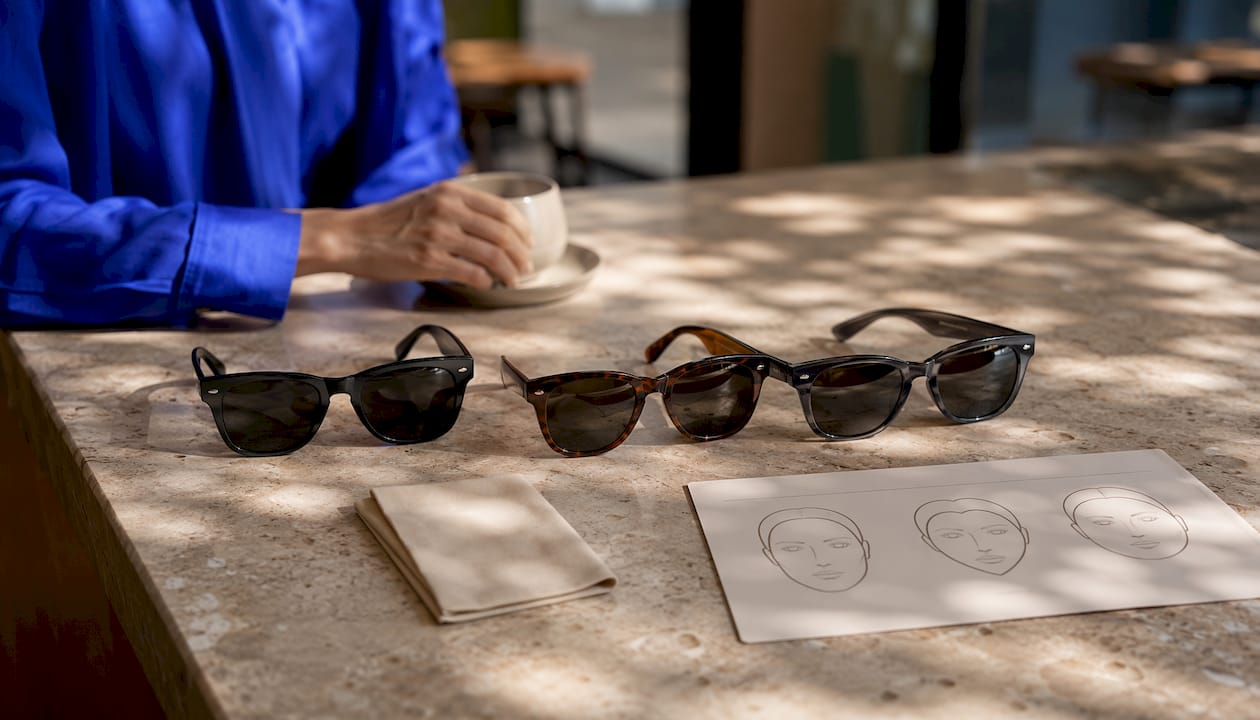
Oval faces are the easiest fit. The balanced proportions of an oval face pair with almost any frame, and the Wayfarer’s bold brow line adds a focal point without overwhelming the face.
Heart-shaped faces benefit from the Wayfarer’s wider bottom edge, which visually balances a broader forehead. The frame draws attention downward, creating a more even look overall.
Round faces gain definition from the angular top edge of the Wayfarer. The sharp corners contrast with soft facial curves, adding structure that rounder frames can’t provide.
Square faces work well with Wayfarers because the frame’s slight curve at the bottom softens a strong jawline. A slightly oversized frame tends to work better here than a compact one.
A few practical fit tips:
- Narrow faces benefit from smaller frame widths; Chap’el Eyewear addresses this with options for narrow faces that maintain the Wayfarer aesthetic
- Larger faces need frames with a wider lens span, typically 52mm or above
- The Wayfarer works across gender presentations; the key variable is frame width relative to cheekbone width, not gender
- If the frame slides down your nose, adjustable nose pads or a grippy coating make a real difference
Pro Tip: Measure your current sunglasses’ lens width and bridge size before ordering online. Most brands list these dimensions in millimeters. Matching your existing fit is faster than trial and error.
Why Chap’el Eyewear stands out as a Wayfarer alternative
Chap’el Eyewear positions itself at the intersection of fashion and function, which is exactly where most Wayfarer buyers actually live. The brand’s premium sunglasses use impact-resistant polycarbonate lenses with full UV protection, and several styles include polarized or photochromic lenses that adapt to changing light conditions.
The frame construction uses lightweight materials that reduce fatigue during extended wear, a real advantage over heavier acetate frames for outdoor activities. Adjustable nose pads let you dial in the fit rather than accepting whatever the frame gives you, which is a feature most frames in this price range skip entirely.
Style-wise, Chap’el Eyewear covers both casual and performance-oriented looks without forcing you to choose between them. Their catalog includes designs that translate from a weekend hike to a rooftop dinner without looking out of place in either setting. The brand’s amber lens options are particularly worth noting for outdoor use, since amber tints improve contrast in variable light.
Key features of Chap’el Eyewear’s Wayfarer-style options:
- Impact-resistant polycarbonate lenses
- Full UV protection across all styles
- Polarized lens options for glare reduction
- Photochromic lenses that adjust to light conditions
- Lightweight, durable frame construction
- Adjustable nose pads for a tailored fit
- Styles suited for both casual wear and active outdoor use
Pro Tip: If you spend time near water or on the road, polarized lenses cut reflected glare more effectively than standard tinted lenses. Chap’el’s classic polarized collection is a good starting point for that use case.
Chapeleyewear: premium style without the premium markup
If you’ve worked through this list and want a pair that handles both a Saturday hike and a Friday dinner without switching frames, Chap’el Eyewear is worth a direct look.
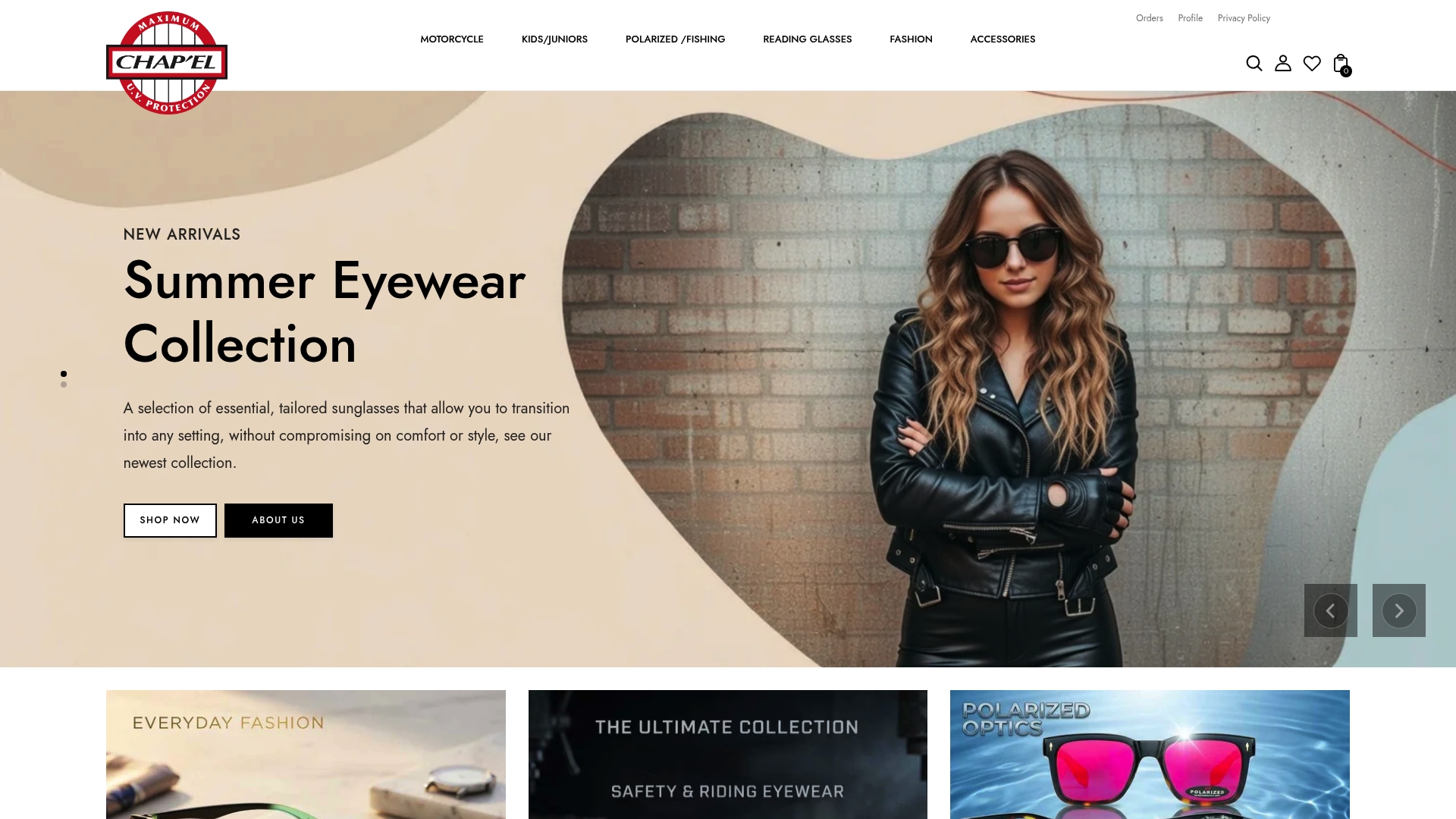
Chap’el Eyewear builds sunglasses for people who actually use them. Polarized and photochromic lenses, impact-resistant polycarbonate construction, adjustable nose pads, and lightweight frames that don’t fatigue you after two hours in the sun. The brand covers the gap between budget frames that fall apart and luxury frames that feel too precious to wear outdoors. Their full collection includes styles that sit squarely in the Wayfarer aesthetic without copying it, and their sport polarized line adds grip and durability for active use. Browse the collection at chapeleyewear.com and find the fit that works for your face shape and lifestyle.
Key Takeaways
The best Ray-Ban Wayfarer alternatives range from $30 budget sport frames to $350 Italian luxury, and the right pick depends on how you wear them, not just how they look.
| Point | Details |
|---|---|
| Price range is wide | Options run from Goodr OGs at about $30 to Persol PO3268S at $350, covering every budget. |
| Lens type drives real-world value | Polarized and photochromic lenses outperform standard tints for outdoor and active use. |
| Face shape guides frame choice | Oval, heart, round, and square faces all suit the Wayfarer silhouette for different structural reasons. |
| Frame material signals use case | Polycarbonate suits active wear; cellulose acetate suits daily casual and formal settings. |
| Chap’el Eyewear covers both ends | Chap’el offers polarized, photochromic, and impact-resistant options that work for fashion and outdoor use. |
Recommended
- Top 4 Stylish Blue Reflective Sunglasses Alternatives 2026 – Chap’el Eyewear
- Top 3 Sunglasses with Amber Lenses Alternatives 2026 – Chap’el Eyewear
- Top 5 Lightweight Sunglasses for Small Faces Alternatives 2026 – Chap’el Eyewear
- Top 6 Best Sunglasses for Small Heads Alternatives 2026 – Chap’el Eyewear